Orchestra
Pedro Laurenz y su orquesta típica
Also known as: Orquesta Pedro Laurenz
About
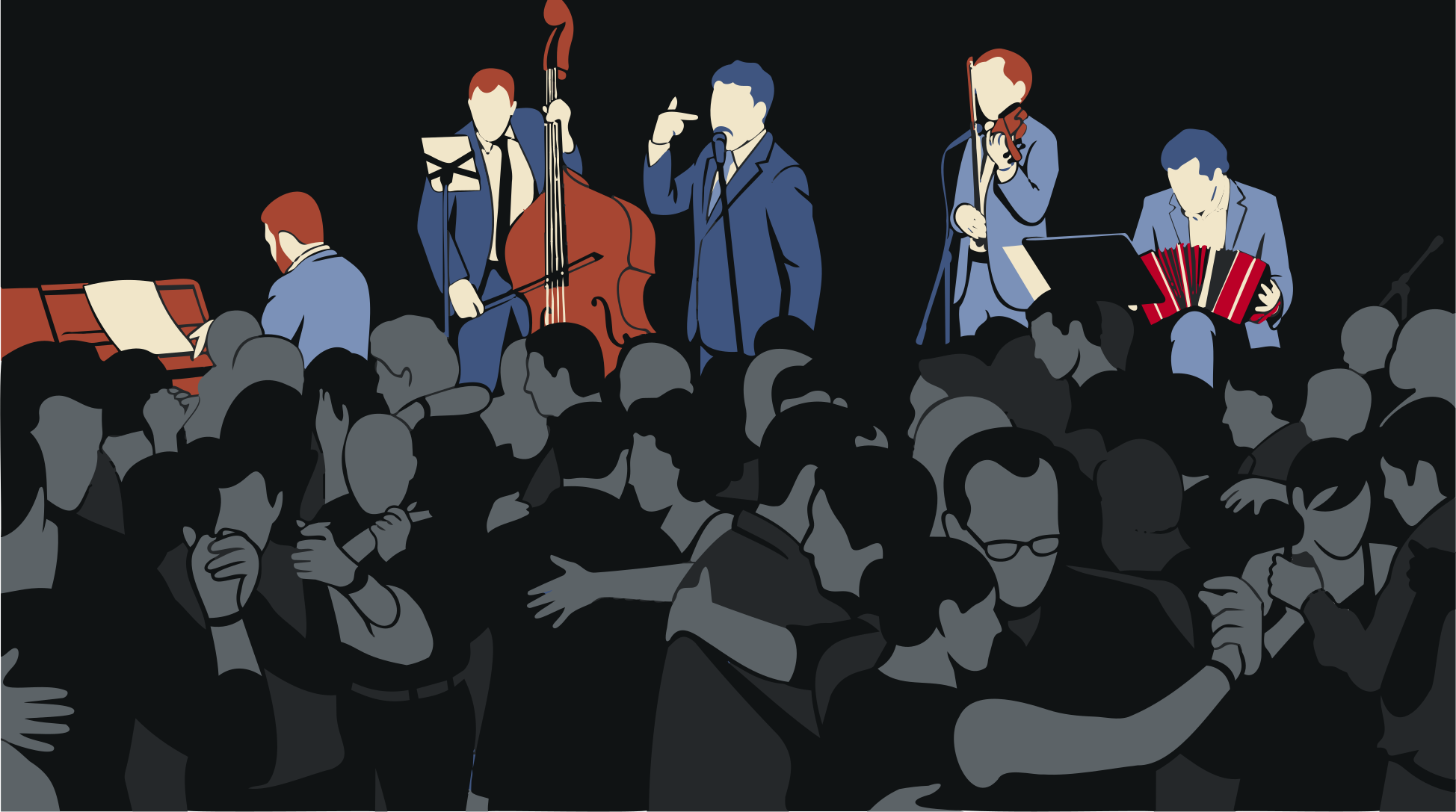
Pedro Laurenz y su orquesta típica was a seminal Argentine tango orchestra founded in 1934 at Café Los 36 Billares in Buenos Aires. Led by bandeonist and composer Pedro Laurenz, the ensemble became one of the defining orchestras of tango’s golden decade (1934–1953). The founding lineup featured three bandoneón players including Laurenz, two violins (José Niesow, Sammy Friedenthal), piano (initially Osvaldo Pugliese), and contrabass. By the 1940s, core members included violinists Francisco Oréfice and Milo Dojman, pianist Héctor Grané, and bassist Alberto Celenza. The orchestra featured prominent vocalists including Rodolfo Martínez (1935–36), Héctor Farrel (1937), and most famously Alberto Podestá (1943), whose collaborations on recordings like “Alma de bohemio” and “Veinticuatro de agosto” became classics. The ensemble’s first recording, “Arrabal” (September 24, 1937), is considered by musicologists to have inaugurated tango’s true golden age. Between 1937 and 1953, Laurenz recorded approximately 68 titles for RCA Victor, Odeon, and Pampa labels, establishing a legacy of musical invention and instrumental virtuosity that remains unsurpassed in tango history.
Sources note: No conflicting information detected in sources. Formation year 1934 is consistent across all sources (Todotango, Wikipedia, investigaciontango.com). Active period 1934-1953 is confirmed by multiple sources. Recording session dates for Alberto Podestá collaborations (1943) are consistent across Escuela de Tango de Buenos Aires and Discogs sources.
Members
Current
Past members
- Héctor Farrellsinger1937–1937
- Juan Carlos Casassinger1938–1942
- Martín Podestásinger1941–1942
- Alberto Del Camposinger1942–1942
- Alberto Fuentessinger1942–1942
- Alberto Podestásinger1943–1944
- Carlos Bermúdezsinger1944–1944
- Jorge Linaressinger1944–1944
- Héctor Juncalsinger1946–1946
- Alfredo Del Ríosinger1952–1953
Recordings (81)
- Pedro Laurenz y su orquesta típica – Abandono – 1937
- Pedro Laurenz y su orquesta típica – Arrabal – 1937
- Pedro Laurenz y su orquesta típica – Enamorado (Enamorao) – 1937
- Pedro Laurenz y su orquesta típica – Milonga de mis amores – 1937
- Pedro Laurenz y su orquesta típica – Milonga compadre – 1938
- Pedro Laurenz y su orquesta típica – Vieja amiga – 1938
- Pedro Laurenz y su orquesta típica – Amurado – 1940
- Pedro Laurenz y su orquesta típica – Como dos extraños – 1940
- Pedro Laurenz y su orquesta típica – De puro guapo – 1940
- Pedro Laurenz y su orquesta típica – Desconsuelo – 1940
- Pedro Laurenz y su orquesta típica – Improvisando – 1940
- Pedro Laurenz y su orquesta típica – Mascarita – 1940
- Pedro Laurenz y su orquesta típica – Milonga de mi flor – 1940
- Pedro Laurenz y su orquesta típica – No me extraña – 1940
- Pedro Laurenz y su orquesta típica – La vida es una milonga – 1941
- Pedro Laurenz y su orquesta típica – Orgullo criollo – 1941
- Pedro Laurenz y su orquesta típica – Poca suerte – 1941
- Pedro Laurenz y su orquesta típica – Quédate tranquilo – 1941
- Pedro Laurenz y su orquesta típica – A mí dejáme en mi barrio – 1942
- Pedro Laurenz y su orquesta típica – Al verla pasar – 1942
- Pedro Laurenz y su orquesta típica – Caserón de tejas – 1942
- Pedro Laurenz y su orquesta típica – Chatero de aquel entonces – 1942
- Pedro Laurenz y su orquesta típica – Corazón encadenado – 1942
- Pedro Laurenz y su orquesta típica – Es mejor perdonar – 1942
- Pedro Laurenz y su orquesta típica – Firuletear de bandoneón – 1942
- Pedro Laurenz y su orquesta típica – Flores del alma – 1942
- Pedro Laurenz y su orquesta típica – María Remedios – 1942
- Pedro Laurenz y su orquesta típica – Taconeando – 1942
- Pedro Laurenz y su orquesta típica – 24 de Agosto – 1943
- Pedro Laurenz y su orquesta típica – Alma de bohemio – 1943
- Pedro Laurenz y su orquesta típica – Garua – 1943
- Pedro Laurenz y su orquesta típica – Maldonado – 1943
- Pedro Laurenz y su orquesta típica – Nunca tuvo novio – 1943
- Pedro Laurenz y su orquesta típica – Paisaje – 1943
- Pedro Laurenz y su orquesta típica – Patria mía – 1943
- Pedro Laurenz y su orquesta típica – Que nunca me falte – 1943
- Pedro Laurenz y su orquesta típica – Recién – 1943
- Pedro Laurenz y su orquesta típica – Todo – 1943
- Pedro Laurenz y su orquesta típica – Veinticuatro de agosto – 1943
- Pedro Laurenz y su orquesta típica – Yo quiero cantar un tango – 1943
- Pedro Laurenz y su orquesta típica – Yo soy de San Telmo – 1943
- Pedro Laurenz y su orquesta típica – Barrio tranquilo – 1944
- Pedro Laurenz y su orquesta típica – Como el hornero – 1944
- Pedro Laurenz y su orquesta típica – Corazón que me maltratas – 1944
- Pedro Laurenz y su orquesta típica – El criollito oriental – 1944
- Pedro Laurenz y su orquesta típica – Esta noche al pasar – 1944
- Pedro Laurenz y su orquesta típica – La madrugada – 1944
- Pedro Laurenz y su orquesta típica – Llueve otra vez – 1944
- Pedro Laurenz y su orquesta típica – Más solo que nunca – 1944
- Pedro Laurenz y su orquesta típica – Me están sobrando las penas – 1944
- Pedro Laurenz y su orquesta típica – Mendocina – 1944
- Pedro Laurenz y su orquesta típica – Milonga de mis amores – 1944
- Pedro Laurenz y su orquesta típica – Muchachos mi último tango – 1944
- Pedro Laurenz y su orquesta típica – Nada más que un corazón – 1944
- Pedro Laurenz y su orquesta típica – Naranjo en flor – 1944
- Pedro Laurenz y su orquesta típica – Temblando – 1944
- Pedro Laurenz y su orquesta típica – Trenzas – 1944
- Pedro Laurenz y su orquesta típica – La beba – 1946
- Pedro Laurenz y su orquesta típica – Piedad – 1946
- Pedro Laurenz y su orquesta típica – Amurado – 1947
- Pedro Laurenz y su orquesta típica – Mala junta – 1947
- Pedro Laurenz y su orquesta típica – Amurado – 1952
- Pedro Laurenz y su orquesta típica – Cuando me entrés a fallar – 1952
- Pedro Laurenz y su orquesta típica – La gayola – 1952
- Pedro Laurenz y su orquesta típica – Quejas de bandoneón – 1952
- Pedro Laurenz y su orquesta típica – A Belisario Roldán – 1953
- Pedro Laurenz y su orquesta típica – La cumparsita – 1953
- Pedro Laurenz y su orquesta típica – Puente Alsina – 1953
- Pedro Laurenz y su orquesta típica – Todavía estás a tiempo – 1953
- Pedro Laurenz y su orquesta típica – Amurado – 1968
- Pedro Laurenz y su orquesta típica – Berretín – 1968
- Pedro Laurenz y su orquesta típica – Como dos extraños – 1968
- Pedro Laurenz y su orquesta típica – De puro guapo – 1968
- Pedro Laurenz y su orquesta típica – Enamorado – 1968
- Pedro Laurenz y su orquesta típica – Esquinero – 1968
- Pedro Laurenz y su orquesta típica – La revancha – 1968
- Pedro Laurenz y su orquesta típica – Mal de Amores – 1968
- Pedro Laurenz y su orquesta típica – Mala junta – 1968
- Pedro Laurenz y su orquesta típica – Milonga de mis amores – 1968
- Pedro Laurenz y su orquesta típica – Orgullo criollo – 1968
- Pedro Laurenz y su orquesta típica – Risa loca – 1968
Albums (3)
Videos
 3:21
Stephanie Fesneau and Fausto Carpino – Quejas de bandoneón
 3:33
Sabrina Masso and Federico Naveira – No me extraña
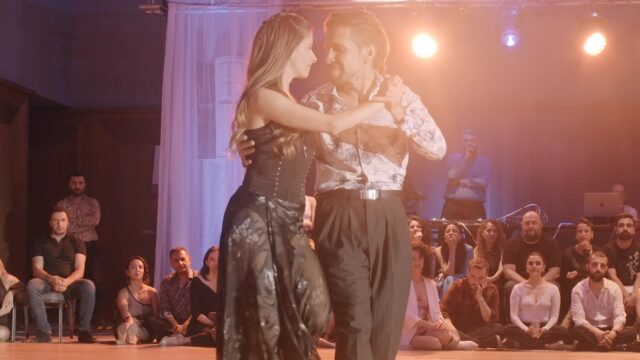 3:07
Carolina Giannini and Guille Barrionuevo – La vida es una milonga
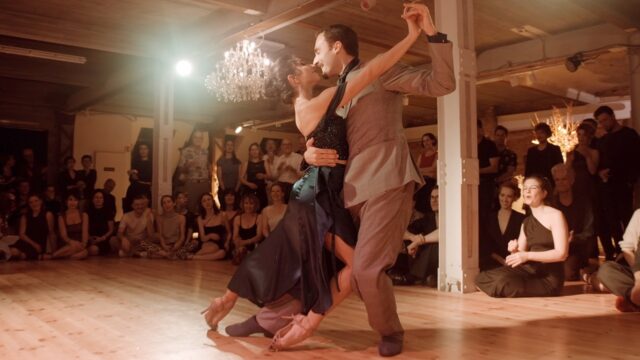 3:13
Lorena Tarantino and Gianpiero Galdi – Mendocina
3:57
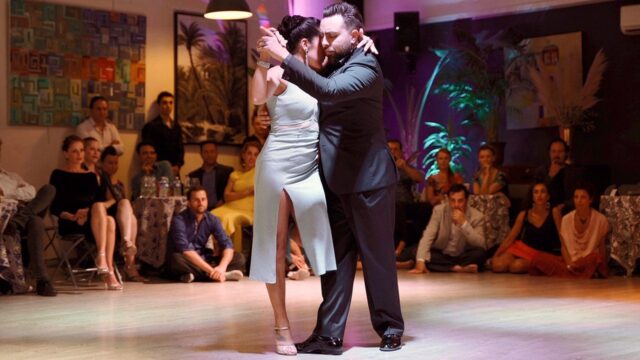
Clarisa Aragon and Jonathan Saavedra – Nunca tuvo novio
3:29
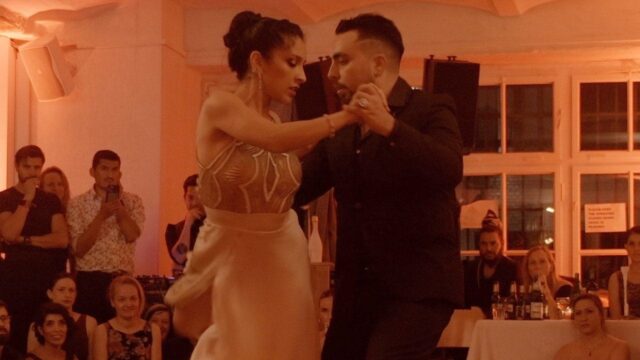
Clarisa Aragon and Jonathan Saavedra – Orgullo criollo
3:11
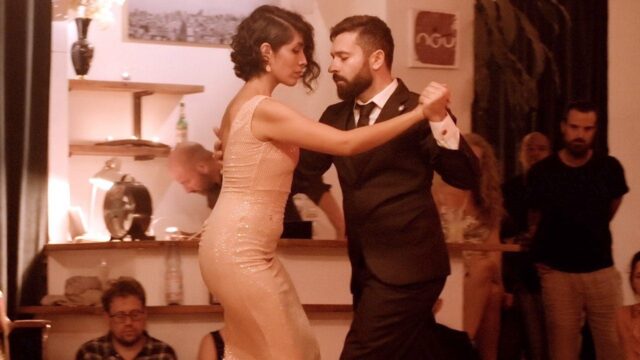
Cecilia Acosta and Levan Gomelauri – Yo soy de San Telmo
2:54
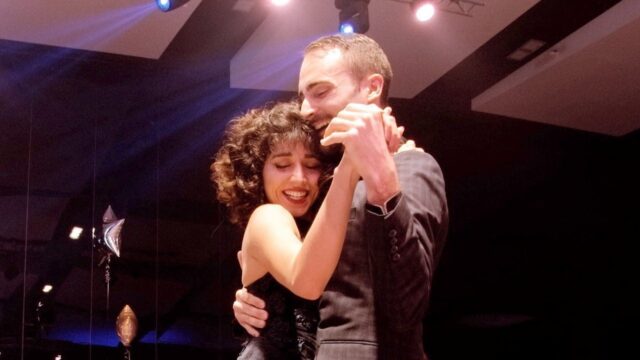
Lorena Tarantino and Gianpiero Galdi – Amurado
3:21
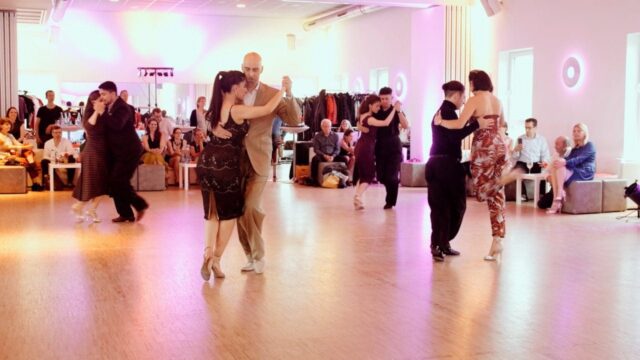
The Maestros of Tango Pampero 2022 – Amurado
3:03

Tekla Gogrichiani and Julio Saavedra – No me extraña
2:46
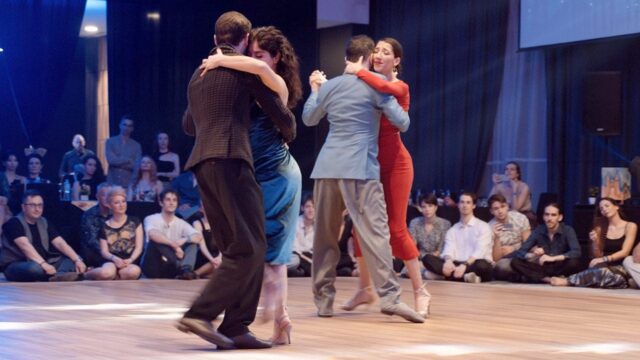
The Maestros of Sarajevo Tango Festival 2022 – La vida es una milonga
3:15
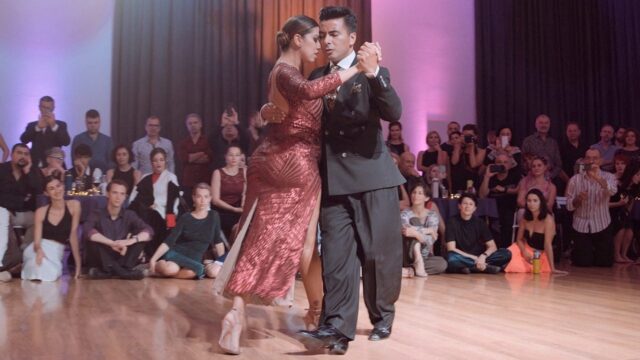
Roxana Suarez and Sebastian Achaval – Que nunca me falte
3:27
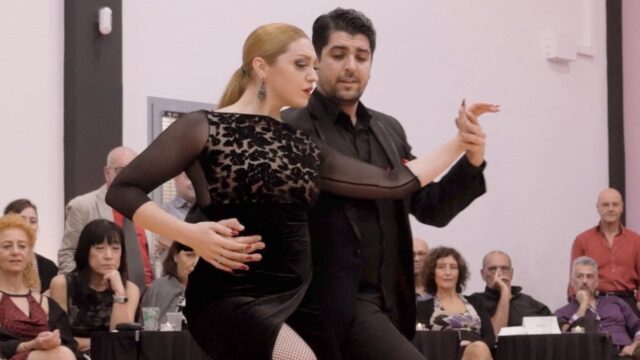
Ariadna Naveira and Fernando Sanchez – Arrabal
2:49
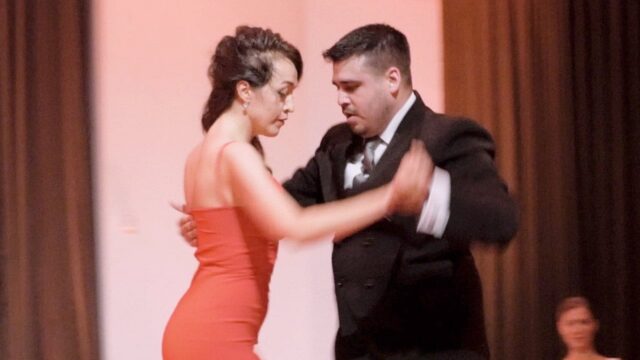
Magdalena Myszka and Ariel Taritolay – La vida es una milonga
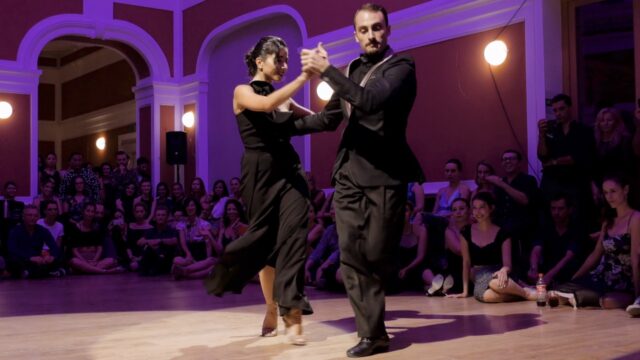 3:04
Lorena Tarantino and Gianpiero Galdi – No me extraña
2:50

Selen Sürek and Alper Ergökmen – Amurado
3:48
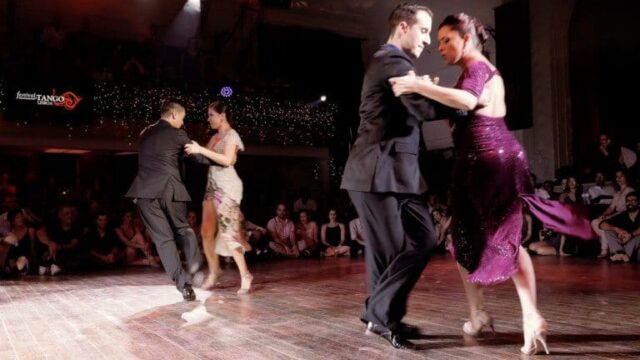
Roxana, Vanesa, Facundo and Sebastian – Al verla pasar
2:59
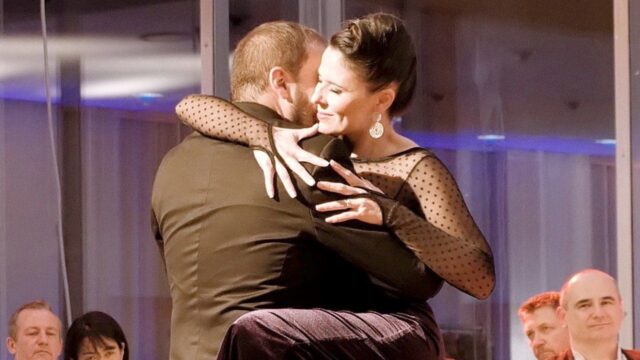
Cristina Sosa and Daniel Nacucchio – Todo
3:09
Clarisa Aragon and Jonathan Saavedra – De puro guapo
2:45
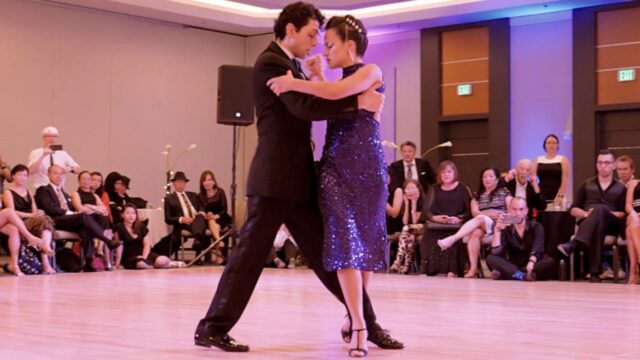
Sabrina Masso and Federico Naveira – Amurado, San Francisco 2018
2:49
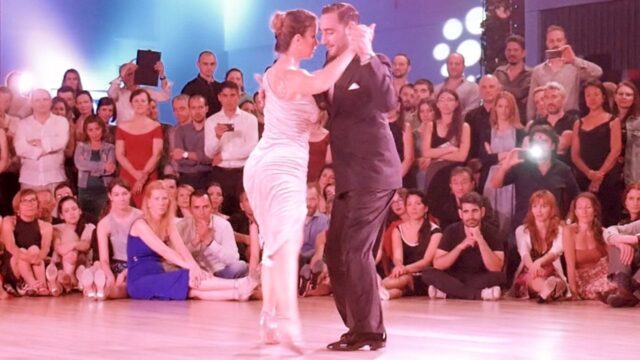
Stephanie Fesneau and Fausto Carpino – Amurado
2:56
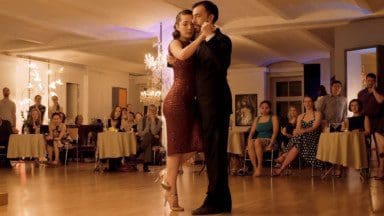
Ines Muzzopappa and Alejandro Hermida – Todo
3:44
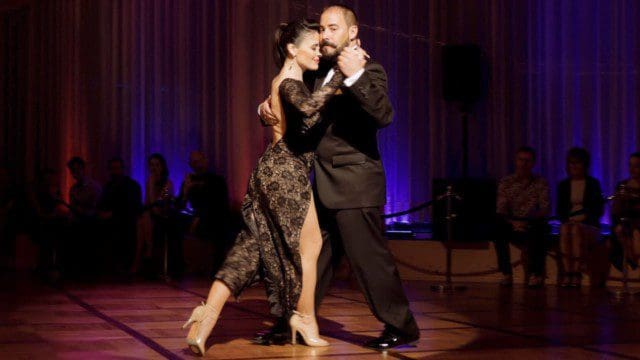
Cristina Sosa and Daniel Nacucchio – Al verla pasar
2:48