
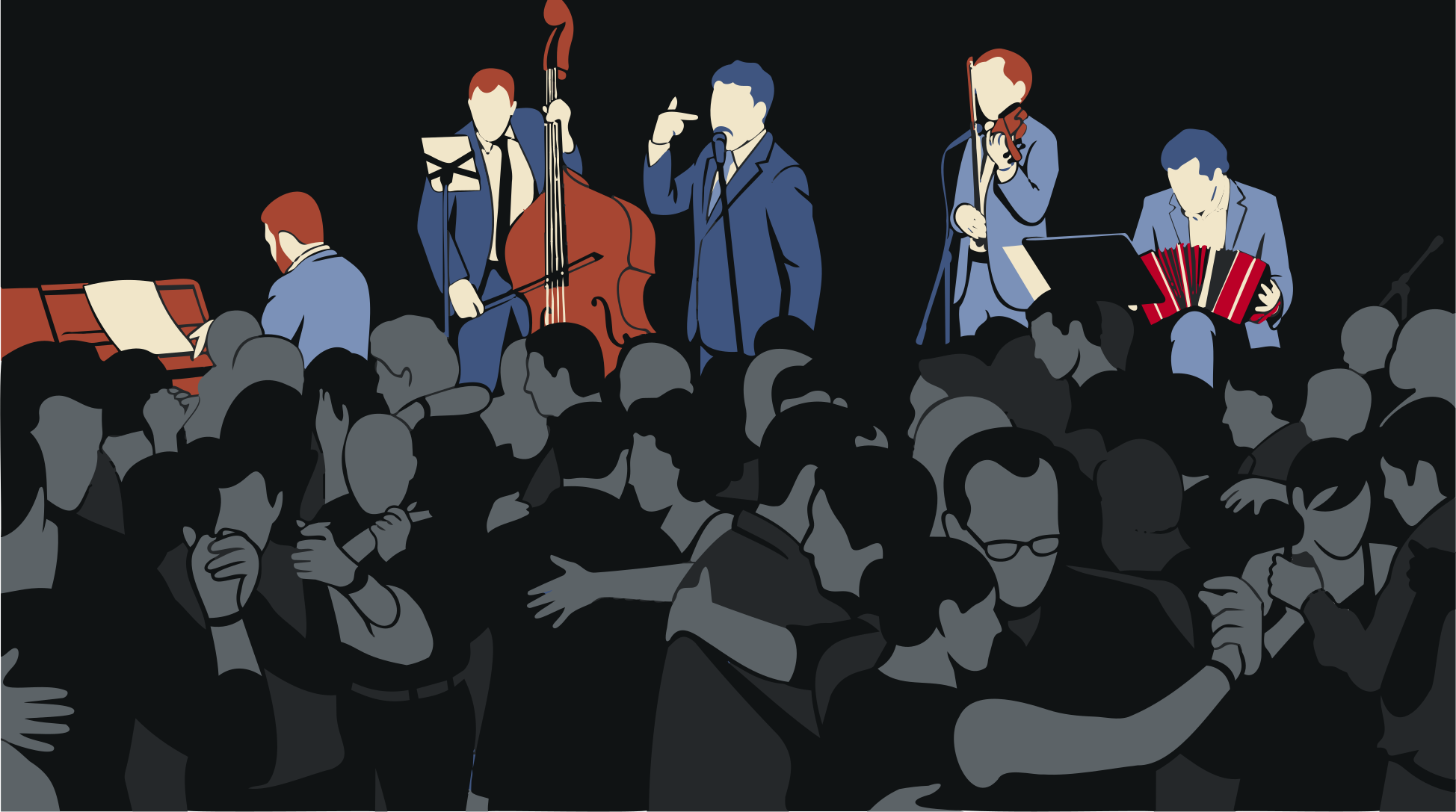
Orchestra
Osvaldo Fresedo y su Orquesta Típica
Also known as: Orquesta Osvaldo Fresedo
About
Osvaldo Fresedo y su Orquesta Típica was among the most innovative and prolific tango ensembles of the twentieth century. Founded as a modest quartet in 1913, the orchestra evolved into a full ensemble by the mid-1920s, expanding to meet demand across Buenos Aires nightclubs—at its peak, Fresedo led four separate groups simultaneously stationed in different venues. Led by bandoneón player Osvaldo Fresedo (1897–1984), nicknamed “El Pibe de La Paternal,” the orchestra became a pillar of the Guardia Nueva (“New Guard”) movement, bringing refined musicianship and sophisticated orchestral arrangements that elevated tango beyond its earlier vernacular roots.
The ensemble’s golden age spanned 1925–1948, during which it recorded approximately 600 pieces for Odeón and RCA Victor. The collaboration with vocalist Roberto Ray (1933–1940s) produced the most memorable recordings in tango history: “Vida Mía” (1933), “Isla de Capri” (1935), “Recuerdos de Bohemia” (1935), “Como aquella princesa” (1937), and “Niebla del Riachuelo” (1937). Fresedo pioneered instrumental innovations—incorporating vibraphone, harp, and drums by 1935—while maintaining the essential character of traditional tango. His orchestra featured other notable singers including Héctor Pacheco, Blanca Mooney, and Juan Carlos Thorry. The ensemble remained active from 1917 through 1980, representing an extraordinary span of artistic continuity and evolution across six decades.
Sources note: Early recording date discrepancy: sources cite both 1917 (with duet partner Vicente Loduca, recording “Amoníaco”) and 1920 (Camden, New Jersey quartet session) as first recordings. Fresedo’s recording career properly began in 1917 but major orchestra establishment dates to 1920–1925 expansion.
Members
Current
Past members
- Roberto Raysinger1933–1948
- Charles Wimersinger1933–1933
- Ricardo Ruizsinger1935–1941
- Roberto Díazsinger1935–1935
- Carlos Mayelsinger1940–1941
- Carlos Roldánsinger1941–1941
- Oscar Serpasinger1942–1946
- Pedro Vargassinger1945–1947
- Osvaldo Cordósinger1948–1948
Recordings (100)
- Osvaldo Fresedo y su Orquesta Típica – Amoníaco – 1917
- Osvaldo Fresedo y su Orquesta Típica – Adelante la mozada – 1933
- Osvaldo Fresedo y su Orquesta Típica – Andan diciendo pancha – 1933
- Osvaldo Fresedo y su Orquesta Típica – Araca la cana! – 1933
- Osvaldo Fresedo y su Orquesta Típica – Colibriyo – 1933
- Osvaldo Fresedo y su Orquesta Típica – Contigo quiero ir – 1933
- Osvaldo Fresedo y su Orquesta Típica – Cordobesita – 1933
- Osvaldo Fresedo y su Orquesta Típica – El espiante – 1933
- Osvaldo Fresedo y su Orquesta Típica – El mareo – 1933
- Osvaldo Fresedo y su Orquesta Típica – El tarta – 1933
- Osvaldo Fresedo y su Orquesta Típica – En el recreo – 1933
- Osvaldo Fresedo y su Orquesta Típica – En la noria – 1933
- Osvaldo Fresedo y su Orquesta Típica – La clavada – 1933
- Osvaldo Fresedo y su Orquesta Típica – La marcha de los marinos – 1933
- Osvaldo Fresedo y su Orquesta Típica – Linda pebeta – 1933
- Osvaldo Fresedo y su Orquesta Típica – Mirándote (Looking at You) – 1933
- Osvaldo Fresedo y su Orquesta Típica – Noches porteñas – 1933
- Osvaldo Fresedo y su Orquesta Típica – Por favor (Please) – 1933
- Osvaldo Fresedo y su Orquesta Típica – Qué tragedia señor! – 1933
- Osvaldo Fresedo y su Orquesta Típica – Vida mía – 1933
- Osvaldo Fresedo y su Orquesta Típica – Yo no sé llorar – 1933
- Osvaldo Fresedo y su Orquesta Típica – Canto de amor – 1934
- Osvaldo Fresedo y su Orquesta Típica – El último rodeo (The Last Round-Up) – 1934
- Osvaldo Fresedo y su Orquesta Típica – En el baile de Ñ’Anastasia – 1934
- Osvaldo Fresedo y su Orquesta Típica – En la huella del dolor – 1934
- Osvaldo Fresedo y su Orquesta Típica – Glorias de ayer – 1934
- Osvaldo Fresedo y su Orquesta Típica – Las mujeres y el amor – 1934
- Osvaldo Fresedo y su Orquesta Típica – Madre dime por qué – 1934
- Osvaldo Fresedo y su Orquesta Típica – Seguí mi camino – 1934
- Osvaldo Fresedo y su Orquesta Típica – Tigre viejo – 1934
- Osvaldo Fresedo y su Orquesta Típica – Tres momentitos (Three Little Times) – 1934
- Osvaldo Fresedo y su Orquesta Típica – Arrabal amargo – 1935
- Osvaldo Fresedo y su Orquesta Típica – Canto Siboney – 1935
- Osvaldo Fresedo y su Orquesta Típica – Casate conmigo – 1935
- Osvaldo Fresedo y su Orquesta Típica – De segunda mano – 1935
- Osvaldo Fresedo y su Orquesta Típica – El 11 (A divertirse) – 1935
- Osvaldo Fresedo y su Orquesta Típica – El continental (The Continental) – 1935
- Osvaldo Fresedo y su Orquesta Típica – Es una antigua costumbre del sud (It’s an Old Southern Custom) – 1935
- Osvaldo Fresedo y su Orquesta Típica – Ha-cha-cha – 1935
- Osvaldo Fresedo y su Orquesta Típica – Isla de Capri – 1935
- Osvaldo Fresedo y su Orquesta Típica – Lamento Borincano – 1935
- Osvaldo Fresedo y su Orquesta Típica – No me pregunten por qué – 1935
- Osvaldo Fresedo y su Orquesta Típica – Pampero – 1935
- Osvaldo Fresedo y su Orquesta Típica – Recuerdos de bohemia – 1935
- Osvaldo Fresedo y su Orquesta Típica – Retazo – 1935
- Osvaldo Fresedo y su Orquesta Típica – Santa – 1935
- Osvaldo Fresedo y su Orquesta Típica – Señorita Carmencita – 1935
- Osvaldo Fresedo y su Orquesta Típica – Te juro madre mía – 1935
- Osvaldo Fresedo y su Orquesta Típica – Volver – 1935
- Osvaldo Fresedo y su Orquesta Típica – Adiós para siempre – 1936
- Osvaldo Fresedo y su Orquesta Típica – Corazón mío – 1936
- Osvaldo Fresedo y su Orquesta Típica – Déjame amarte aunque sea un día – 1936
- Osvaldo Fresedo y su Orquesta Típica – Me decías – 1936
- Osvaldo Fresedo y su Orquesta Típica – Niña de Madrid (Lady of Madrid) (Dama española) – 1936
- Osvaldo Fresedo y su Orquesta Típica – No aflojes, corazón… – 1936
- Osvaldo Fresedo y su Orquesta Típica – Se apareció la viuda – 1936
- Osvaldo Fresedo y su Orquesta Típica – Se empieza jugando – 1936
- Osvaldo Fresedo y su Orquesta Típica – Besos brujos – 1937
- Osvaldo Fresedo y su Orquesta Típica – Como aquella princesa – 1937
- Osvaldo Fresedo y su Orquesta Típica – Dulce Susana (Sweet Sue) – 1937
- Osvaldo Fresedo y su Orquesta Típica – El campeón – 1937
- Osvaldo Fresedo y su Orquesta Típica – El quintillo – 1937
- Osvaldo Fresedo y su Orquesta Típica – El trianero – 1937
- Osvaldo Fresedo y su Orquesta Típica – Esperar – 1937
- Osvaldo Fresedo y su Orquesta Típica – Estudiantina – 1937
- Osvaldo Fresedo y su Orquesta Típica – Niebla del Riachuelo – 1937
- Osvaldo Fresedo y su Orquesta Típica – No quiero verte llorar – 1937
- Osvaldo Fresedo y su Orquesta Típica – No supe vivir – 1937
- Osvaldo Fresedo y su Orquesta Típica – Siempre es carnaval – 1937
- Osvaldo Fresedo y su Orquesta Típica – Sollozos – 1937
- Osvaldo Fresedo y su Orquesta Típica – Sueño Azul – 1937
- Osvaldo Fresedo y su Orquesta Típica – Tú – 1937
- Osvaldo Fresedo y su Orquesta Típica – Viejo romance – 1937
- Osvaldo Fresedo y su Orquesta Típica – Amor – 1938
- Osvaldo Fresedo y su Orquesta Típica – Angustia – 1938
- Osvaldo Fresedo y su Orquesta Típica – Aromas – 1938
- Osvaldo Fresedo y su Orquesta Típica – Dulce amargura – 1938
- Osvaldo Fresedo y su Orquesta Típica – Media vida – 1938
- Osvaldo Fresedo y su Orquesta Típica – Ojos muertos (Ojos tristes) – 1938
- Osvaldo Fresedo y su Orquesta Típica – Rumba en swing – 1938
- Osvaldo Fresedo y su Orquesta Típica – Telón – 1938
- Osvaldo Fresedo y su Orquesta Típica – Añoranzas – 1939
- Osvaldo Fresedo y su Orquesta Típica – Arrabalero – 1939
- Osvaldo Fresedo y su Orquesta Típica – Cielito mío – 1939
- Osvaldo Fresedo y su Orquesta Típica – Cuartito azul – 1939
- Osvaldo Fresedo y su Orquesta Típica – Divagando – 1939
- Osvaldo Fresedo y su Orquesta Típica – El firulete – 1939
- Osvaldo Fresedo y su Orquesta Típica – Inquietud – 1939
- Osvaldo Fresedo y su Orquesta Típica – Más allá – 1939
- Osvaldo Fresedo y su Orquesta Típica – Mi gitana – 1939
- Osvaldo Fresedo y su Orquesta Típica – Penumbras – 1939
- Osvaldo Fresedo y su Orquesta Típica – Pimienta – 1939
- Osvaldo Fresedo y su Orquesta Típica – Poliya – 1939
- Osvaldo Fresedo y su Orquesta Típica – Si no me engaña el corazón – 1939
- Osvaldo Fresedo y su Orquesta Típica – Tango mío – 1939
- Osvaldo Fresedo y su Orquesta Típica – Viejo farolito – 1939
- Osvaldo Fresedo y su Orquesta Típica – Volveras – 1939
- Osvaldo Fresedo y su Orquesta Típica – Vuelves – 1939
- Osvaldo Fresedo y su Orquesta Típica – Y no puede ser! – 1939
- Osvaldo Fresedo y su Orquesta Típica – Alas – 1940
Albums (4)
Videos
3:59
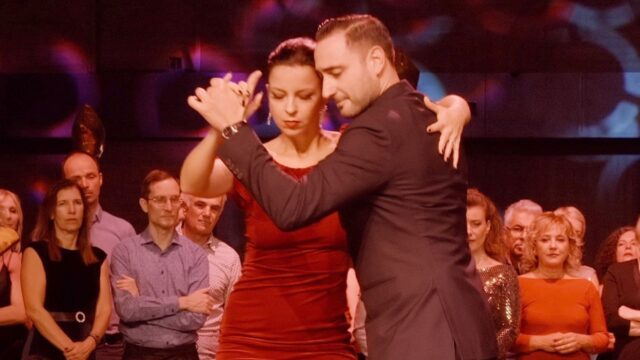
Stephanie Fesneau and Fausto Carpino – Discepolín
3:03
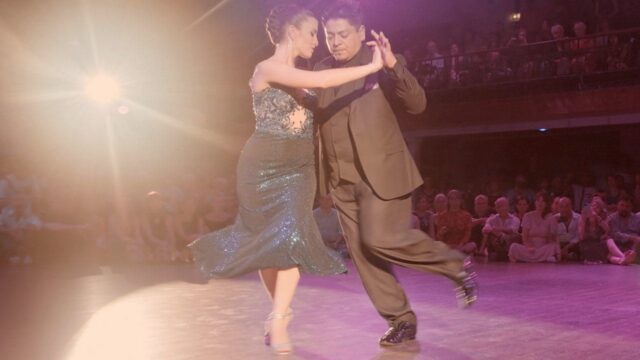
Agustina Piaggio and Carlitos Espinoza – Después del carnaval
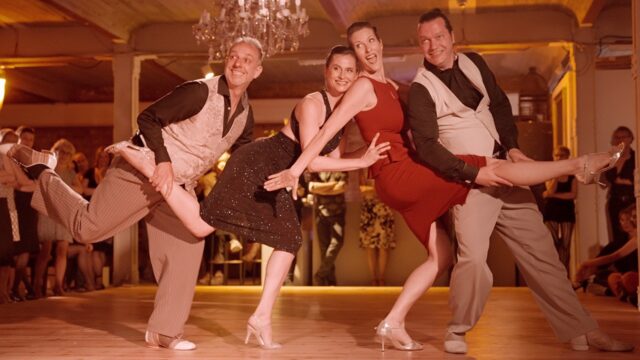 3:40
Angela, Susanne, Andreas and Rafael – El Espiante
2:42
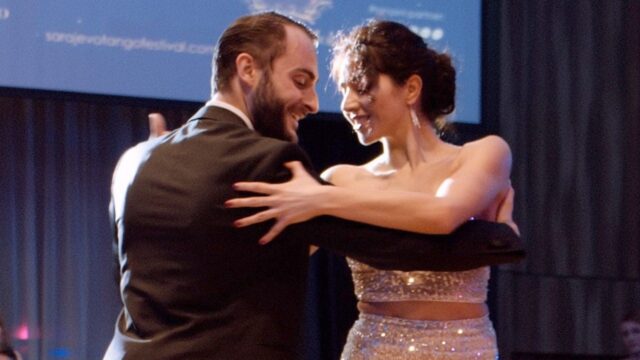
Lorena Tarantino and Gianpiero Galdi – Tres recuerdos
3:06

Carolina Bonaventura and Martin Ojeda – Buscándote
3:39
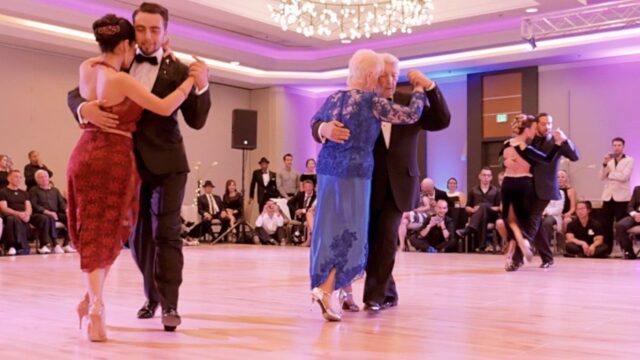
The Maestros of Nora’s Tango Week 2018 – El espiante
3:53

Celeste Medina and Andres Sautel – Sueño azul
3:01

Noelia Hurtado and Carlitos Espinoza – Después de carnaval
2:50
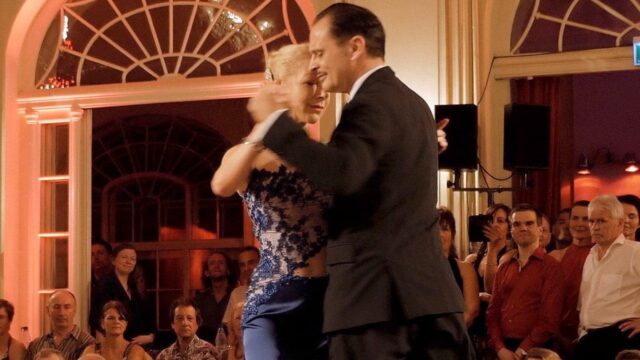
Patricia Hilliges and Matteo Panero – Dulce amargura
3:12
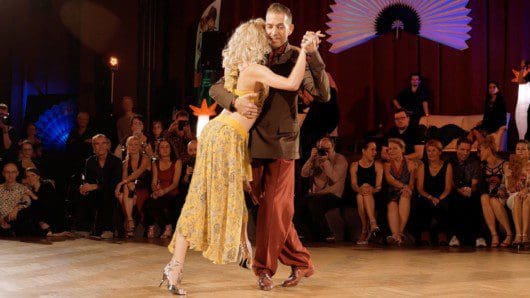
Eleonora Kalganova and Michael Nadtochi – El espiante
 3:04
030 360 – Tango Cazino Festival 2017
3:11

The Maestros of TangoFest Palermo 2017 – Muñequita de París
3:10
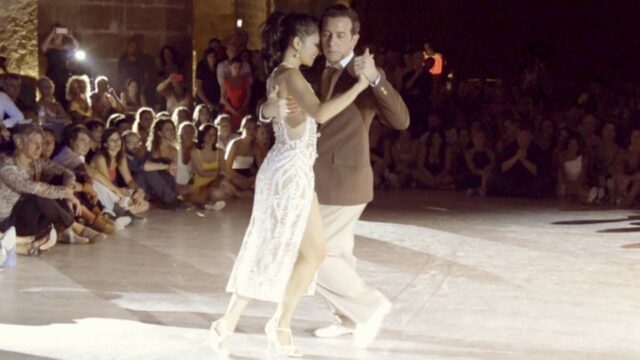
Sofia Saborido and Pablo Inza – El espiante
3:49

Chicho Frumboli and Juana Sepulveda – Sueño azul, Porec 2017
3:57
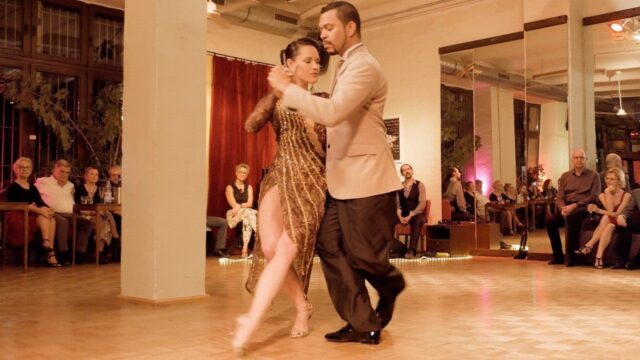
Mirella and Carlos Santos David – Sollozos
3:20

Serena Alvarado and Alonso Alvarez – Buscándote
3:18

Claudia Sortino and Angel Fabian Coria – Buscándote
3:15

Yanina Quiñones and Neri Piliu – Te llama mi violín
3:06

Celeste Medina and Andres Sautel – Buscándote
3:42
