Musician
Osvaldo Pugliese
Also known as: San Pugliese, Osvaldo Pugliese y su Orquesta Típica
Biography
Osvaldo Pedro Pugliese (December 2, 1905–July 25, 1995) was an Argentine pianist, composer, and orchestra leader regarded as one of the “Big Four” composers of tango’s Golden Age, alongside Juan D’Arienzo, Aníbal Troilo, and Carlos di Sarli. Born in Villa Crespo, Buenos Aires, Pugliese composed his first tango, “Recuerdo,” in 1924 at age 19—a pioneering three-part instrumental structure that became foundational to concert-style tango. In 1939, he established his Orquesta Típica Osvaldo Pugliese as a cooperative ensemble, which recorded prolifically across Odeon, Philips, and other labels throughout a 56-year collaboration. Pugliese’s dramatic arrangements retained the walking beat of salon tango while introducing orchestral sophistication and emotional depth; “La yumba” (1946) became his signature anthem. A committed Communist Party member since 1936, he helped establish the Argentine Musicians’ Union and faced periodic political persecution, yet maintained artistic integrity throughout Argentina’s turbulent periods. His orchestra collaborated with prominent singers including Alberto Morán and Roberto Chanel, while Pugliese himself performed at the Teatro Colón on December 26, 1985, at age 80, receiving five standing ovations—a rare honor for tango at that classical venue. He created approximately 150 compositions across roughly 400 recorded works in various formats. Recognized with the title Ciudadano Ilustre of Buenos Aires (1986), the French Ordre des Arts et des Lettres (1988), and Cuba’s Alejo Carpentier Medal (1992), Pugliese is buried in La Chacarita Cemetery with an imposing mausoleum and remains venerated as “San Pugliese” for his artistic and ethical contributions to tango culture.
Sources note: Attribution of “Recuerdo” (1924): The composition was published under the name of Osvaldo’s father, Adolfo Pugliese, because Osvaldo was a minor at the time. However, tango historians dispute true authorship; some suggest it may have been composed by his brother Vicente Salvador Pugliese (known as “Fito”), a violinist, or that the famous final orchestral variation came from bandoneónist Enrique Pollet (El Francés) and lyricist Eduardo Moreno working together circa 1924. Despite publication history, Osvaldo Pugliese is generally credited as the composer in most modern sources.
- Life
- 1905 – 1995
Orchestras
Recordings
- Osvaldo Pugliese – A mis compañeros – 1956
- Osvaldo Pugliese – Antiguo reloj de cobre – 1955
- Osvaldo Pugliese – Dicha pasada – 1958
- Osvaldo Pugliese – Mentira – 1945
- Osvaldo Pugliese – Remembranza – 1956
- Osvaldo Pugliese – Tinta roja – 1972
- Osvaldo Pugliese – Una vez – 1946
- Osvaldo Pugliese – Yunta de oro – 1957
Albums (2)
Albums this musician played on or is credited on.
Videos
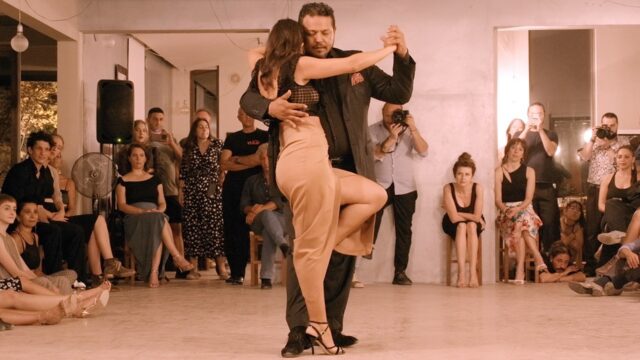 3:55
Sofia Saborido and Diego Luciano Chandia – Dicha pasada
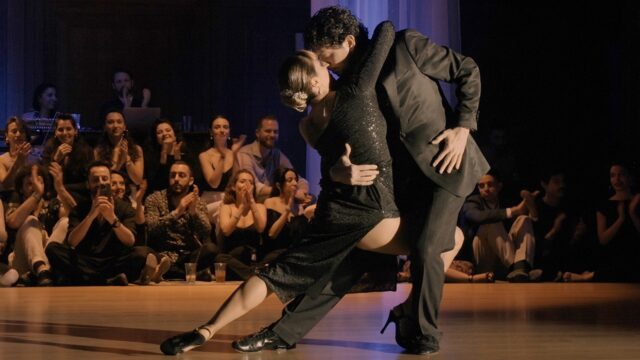 3:42
Sabrina Masso and Federico Naveira – Balada para un loco
 4:06
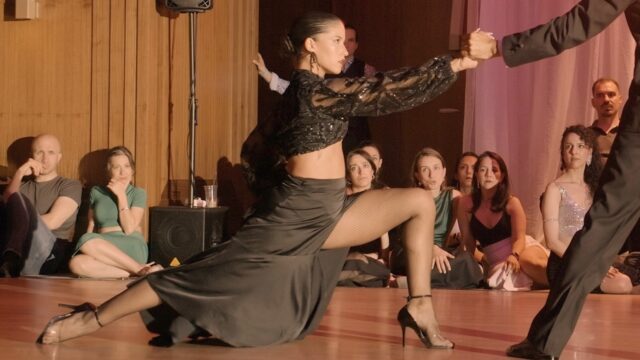
Indira Hiayes and Rodrigo Palacios – Malena
4:27
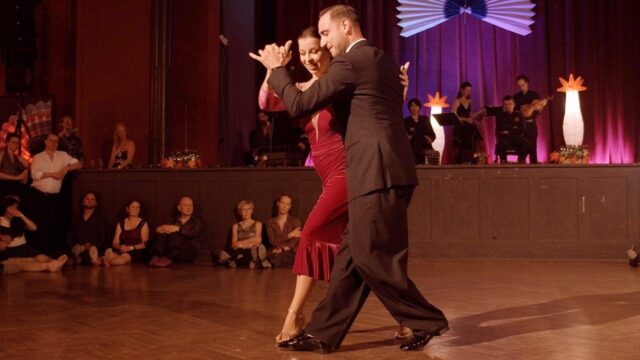
Stephanie Fesneau and Fausto Carpino – Locura tanguera, Halle 2023
2:47
Liz and Yannick Vanhove – Flor de tango
3:26