Orchestra
Rodolfo Biagi y su orquesta típica
Also known as: Orquesta Rodolfo Biagi, Rodolfo A. Biagi y su Orquesta Típica, Rodolfo Biaggi (Rodolfo Biagi), Rodolfo Biaggi, Rodolfo Biagi
About
Rodolfo Biagi y su orquesta típica was one of Argentina’s most influential tango ensembles, founded on September 16, 1938, at the Marabú cabaret in Buenos Aires. Led by pianist and composer Rodolfo Biagi, the orchestra became renowned for its distinctive style: a fast-rhythm, staccato approach with unpredictable harmonic arrangements that prioritized accessibility and danceability. Between 1938 and 1948, the ensemble recorded 136 studio sessions at Odeon—110 tangos, 18 valses, and 7 milongas—averaging eight releases annually during its peak years (1939–1946). The orchestra featured Argentina’s most prominent tango singers of the era, including Jorge Ortiz (38 recordings, its most successful vocalist), Alberto Amor, Carlos Acuña, Teófilo Ibáñez, and Andrés Falgás. As a bandleader and composer, Biagi created enduring works including the tango Indiferencia and the milonga Campo afuera. In the early 1950s, Biagi’s orchestra became the first tango ensemble to appear on Argentine television, marking a significant milestone in the genre’s media history. The orchestra remained active through the 1960s, leaving a legacy as a pivotal ensemble of tango’s golden age.
Sources note: Recording count discrepancies across sources: the orchestra recorded 136 studio sessions at Odeon between 1938 and 1948, but total historical counts vary from 186 to 190 including two piano solos recorded in 1927 and possibly later recordings through the 1960s. Some sources cite recordings extending to 1965 or beyond the 1948 Odeon period.
Members
Current
Past members
- Andrés Falgássinger1939–1940
- Jorge Ortiz1940–1940
- Didísinger1941–1941
- Carlos Acuñasinger1943–1944
- Anselmo Lagunasinger1945–1945
- Palomasinger1945–1945
- Hugo Duvalsinger1953–1962
- Carlos Almagrosinger1962–1962
Recordings (100)
- Rodolfo Biagi y su orquesta típica – Cruz Diablo – 1927
- Rodolfo Biagi y su orquesta típica – El Carretón – 1927
- Rodolfo Biagi y su orquesta típica – El 13 (El trece) – 1938
- Rodolfo Biagi y su orquesta típica – El incendio – 1938
- Rodolfo Biagi y su orquesta típica – Gólgota – 1938
- Rodolfo Biagi y su orquesta típica – Gólgota – 1938
- Rodolfo Biagi y su orquesta típica – Lejos de ti – 1938
- Rodolfo Biagi y su orquesta típica – Loca de amor – 1938
- Rodolfo Biagi y su orquesta típica – Una pena – 1938
- Rodolfo Biagi y su orquesta típica – Unión Cívica – 1938
- Rodolfo Biagi y su orquesta típica – Viejo portón – 1938
- Rodolfo Biagi y su orquesta típica – ¡Cielo! – 1939
- Rodolfo Biagi y su orquesta típica – Alma de bohemio – 1939
- Rodolfo Biagi y su orquesta típica – Campo afuera – 1939
- Rodolfo Biagi y su orquesta típica – Déjame amarte aunque sea un día – 1939
- Rodolfo Biagi y su orquesta típica – Dichas que viví – 1939
- Rodolfo Biagi y su orquesta típica – El rápido – 1939
- Rodolfo Biagi y su orquesta típica – Griseta – 1939
- Rodolfo Biagi y su orquesta típica – Griseta (re-issue) – 1939
- Rodolfo Biagi y su orquesta típica – Griseta (re-issue) – 1939
- Rodolfo Biagi y su orquesta típica – La maleva – 1939
- Rodolfo Biagi y su orquesta típica – La novena – 1939
- Rodolfo Biagi y su orquesta típica – Pura clase – 1939
- Rodolfo Biagi y su orquesta típica – Queja indiana – 1939
- Rodolfo Biagi y su orquesta típica – Son Cosas Del Bandoneon – 1939
- Rodolfo Biagi y su orquesta típica – ¡Marcas…! – 1940
- Rodolfo Biagi y su orquesta típica – ¡Pinta orillera! – 1940
- Rodolfo Biagi y su orquesta típica – A mí no me interesa – 1940
- Rodolfo Biagi y su orquesta típica – Callecita De Mi Barrio – 1940
- Rodolfo Biagi y su orquesta típica – Campo afuera – 1940
- Rodolfo Biagi y su orquesta típica – Cantando se van las penas – 1940
- Rodolfo Biagi y su orquesta típica – Cicatrices – 1940
- Rodolfo Biagi y su orquesta típica – Deja el mundo como está – 1940
- Rodolfo Biagi y su orquesta típica – El estribo – 1940
- Rodolfo Biagi y su orquesta típica – El último adiós – 1940
- Rodolfo Biagi y su orquesta típica – El último adiós (re-issue) – 1940
- Rodolfo Biagi y su orquesta típica – El Yaguarón – 1940
- Rodolfo Biagi y su orquesta típica – El Yaguarón – 1940
- Rodolfo Biagi y su orquesta típica – Guapo y varón – 1940
- Rodolfo Biagi y su orquesta típica – La chacarera – 1940
- Rodolfo Biagi y su orquesta típica – La Marca de Fuego – 1940
- Rodolfo Biagi y su orquesta típica – La Marca de Fuego – 1940
- Rodolfo Biagi y su orquesta típica – Misa de once – 1940
- Rodolfo Biagi y su orquesta típica – Misa de once (re-issue) – 1940
- Rodolfo Biagi y su orquesta típica – No le digas que la quiero – 1940
- Rodolfo Biagi y su orquesta típica – Por Un Beso De Amor – 1940
- Rodolfo Biagi y su orquesta típica – Quiero verte una vez más – 1940
- Rodolfo Biagi y su orquesta típica – Re Fa Si – 1940
- Rodolfo Biagi y su orquesta típica – Todo te nombra – 1940
- Rodolfo Biagi y su orquesta típica – Yo también – 1940
- Rodolfo Biagi y su orquesta típica – Ahora no me conocés – 1941
- Rodolfo Biagi y su orquesta típica – Carrillón De La Merced – 1941
- Rodolfo Biagi y su orquesta típica – Cuatro palabras – 1941
- Rodolfo Biagi y su orquesta típica – Didí – 1941
- Rodolfo Biagi y su orquesta típica – El Entrerriano – 1941
- Rodolfo Biagi y su orquesta típica – Humillación – 1941
- Rodolfo Biagi y su orquesta típica – Humillación – 1941
- Rodolfo Biagi y su orquesta típica – La marcha nupcial – 1941
- Rodolfo Biagi y su orquesta típica – Lágrimas y sonrisas – 1941
- Rodolfo Biagi y su orquesta típica – Marcheta (Marquita) (re-issue) – 1941
- Rodolfo Biagi y su orquesta típica – Marcheta (Marquitta) – 1941
- Rodolfo Biagi y su orquesta típica – No puede ser – 1941
- Rodolfo Biagi y su orquesta típica – Pájaro ciego – 1941
- Rodolfo Biagi y su orquesta típica – Pájaro herido – 1941
- Rodolfo Biagi y su orquesta típica – Picante – 1941
- Rodolfo Biagi y su orquesta típica – Quejas de bandoneón – 1941
- Rodolfo Biagi y su orquesta típica – Romántico bulincito – 1941
- Rodolfo Biagi y su orquesta típica – Será lo mejor – 1941
- Rodolfo Biagi y su orquesta típica – Ya lo ves – 1941
- Rodolfo Biagi y su orquesta típica – Zaraza – 1941
- Rodolfo Biagi y su orquesta típica – Amor y vals – 1942
- Rodolfo Biagi y su orquesta típica – Amor y vals – 1942
- Rodolfo Biagi y su orquesta típica – Arrebato – 1942
- Rodolfo Biagi y su orquesta típica – Bélgica – 1942
- Rodolfo Biagi y su orquesta típica – Calla corazón – 1942
- Rodolfo Biagi y su orquesta típica – Calla corazón (re-issue) – 1942
- Rodolfo Biagi y su orquesta típica – Catorce primaveras – 1942
- Rodolfo Biagi y su orquesta típica – Indiferencia – 1942
- Rodolfo Biagi y su orquesta típica – Indiferencia – 1942
- Rodolfo Biagi y su orquesta típica – La cumparsita – 1942
- Rodolfo Biagi y su orquesta típica – La cumparsita – 1942
- Rodolfo Biagi y su orquesta típica – Metido (Enamorado) – 1942
- Rodolfo Biagi y su orquesta típica – Oyendo tu voz – 1942
- Rodolfo Biagi y su orquesta típica – Sentimiento gaucho – 1942
- Rodolfo Biagi y su orquesta típica – Si de mí te has olvidado – 1942
- Rodolfo Biagi y su orquesta típica – Te Odio – 1942
- Rodolfo Biagi y su orquesta típica – ¡Señor! ¡Señor! – 1943
- Rodolfo Biagi y su orquesta típica – A la luz del candil – 1943
- Rodolfo Biagi y su orquesta típica – A la luz del candil (re-issue) – 1943
- Rodolfo Biagi y su orquesta típica – Adiós te vas – 1943
- Rodolfo Biagi y su orquesta típica – Arlette – 1943
- Rodolfo Biagi y su orquesta típica – Barrio reo – 1943
- Rodolfo Biagi y su orquesta típica – Canción de rango – 1943
- Rodolfo Biagi y su orquesta típica – Lonjazos – 1943
- Rodolfo Biagi y su orquesta típica – Por algo será – 1943
- Rodolfo Biagi y su orquesta típica – Prisionero – 1943
- Rodolfo Biagi y su orquesta típica – Pueblito de provincia – 1943
- Rodolfo Biagi y su orquesta típica – Si la llegaran a ver – 1943
- Rodolfo Biagi y su orquesta típica – Soy del 90 (Soy del noventa) – 1943
- Rodolfo Biagi y su orquesta típica – Tres horas – 1943
Albums (3)
Videos
3:10
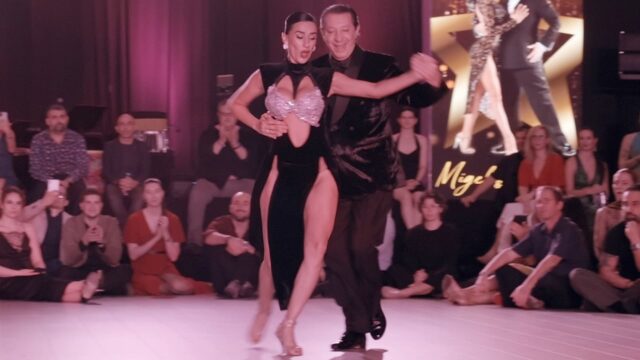
Daiana Guspero and Miguel Angel Zotto – Viejo portón
 3:09
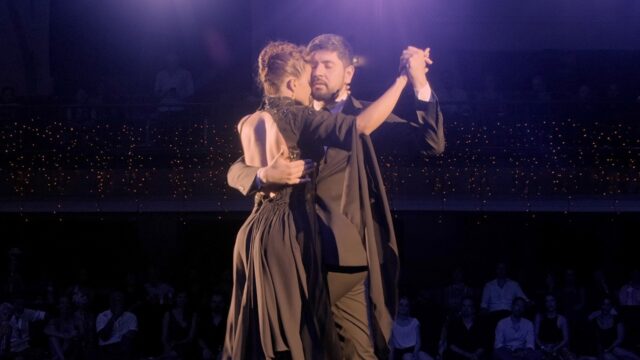
Agostina Tarchini and Sebastian Jimenez – En el lago azul
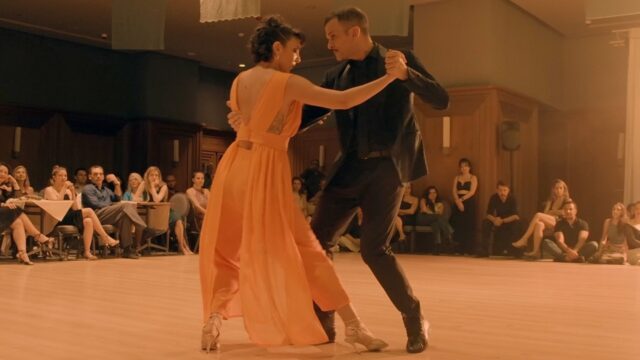 3:16
Rocio Lequio and Bruno Tombari – Pura clase
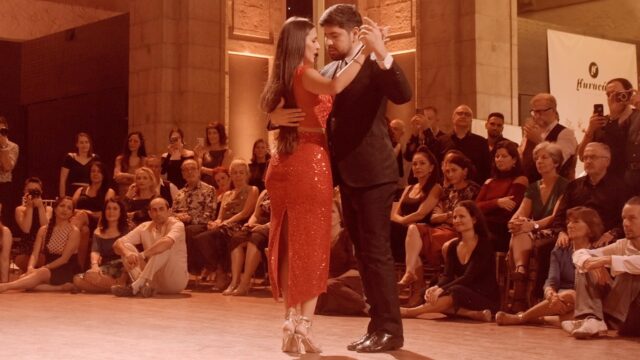 3:28
Magdalena Valdez and Sebastian Jimenez – Tu melodía
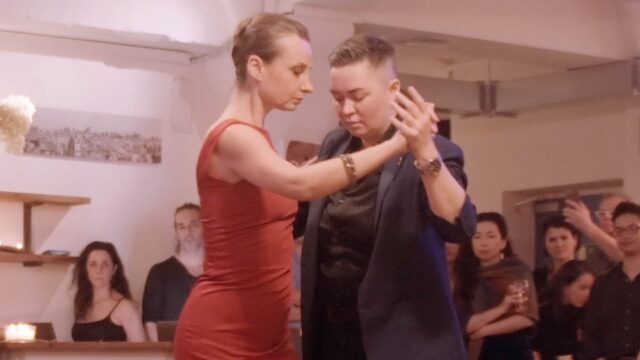 3:37
Veronica Toumanova and Asya Moiseeva – Espérame en el cielo
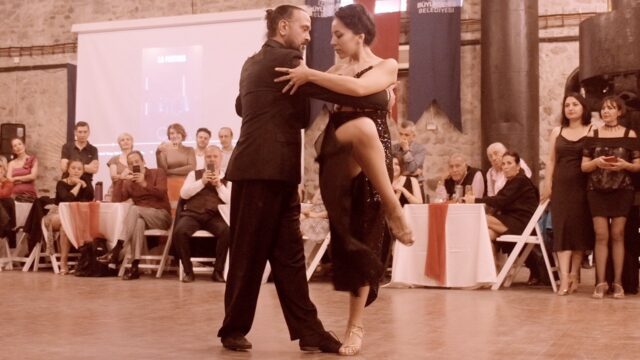 3:07
Dilara Zorlu and Ilkan Aydin – El recodo
3:16
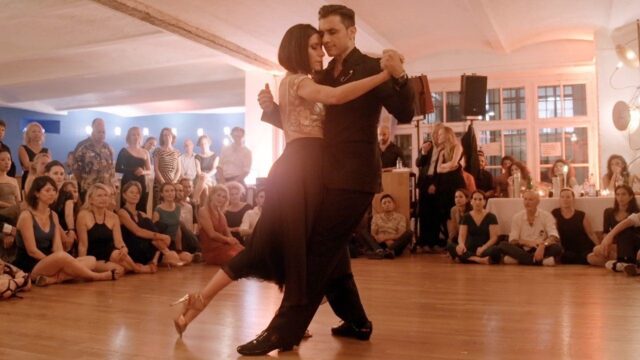
Fatima Vitale and Andres Sautel – Y no te voy a llorar
2:50
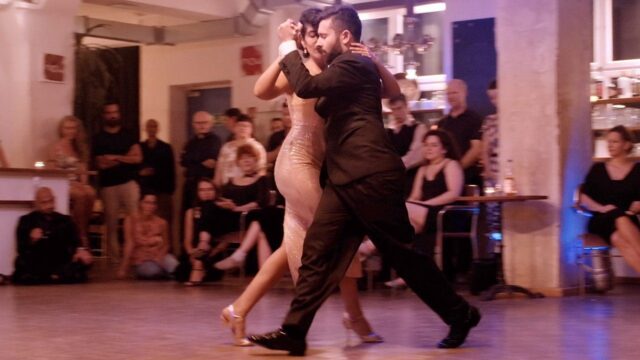
Cecilia Acosta and Levan Gomelauri – Lejos de ti
3:29
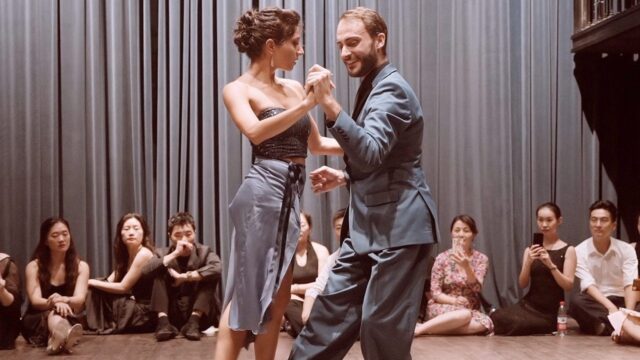
Lorena Tarantino and Gianpiero Galdi – Re Fa Si
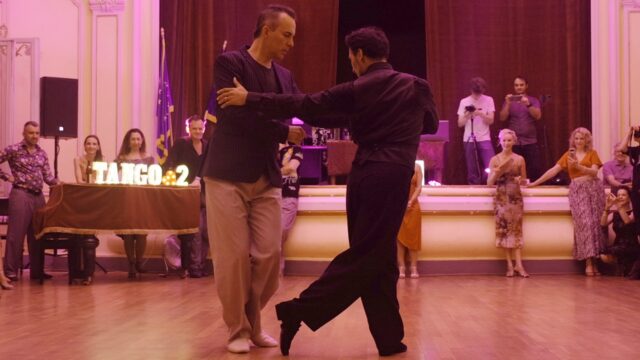 3:01
Lucian Stan and Murat Erdemsel – Bélgica
3:47
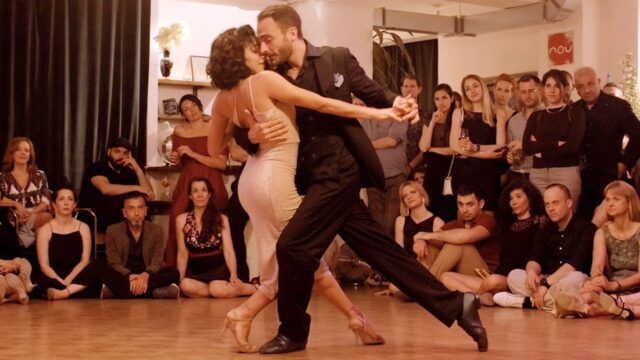
Lorena Tarantino and Gianpiero Galdi – Mis amores de ayer
3:16
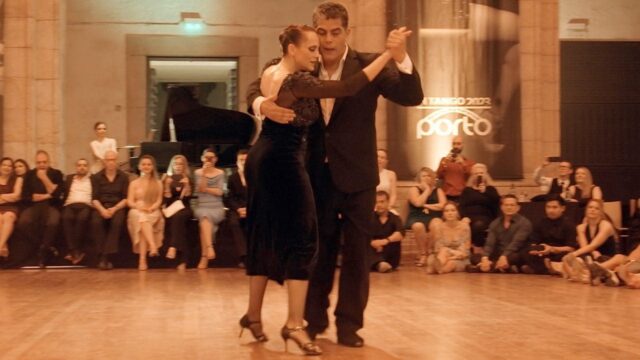
Sabrina and Ruben Veliz – Adoración
2:38
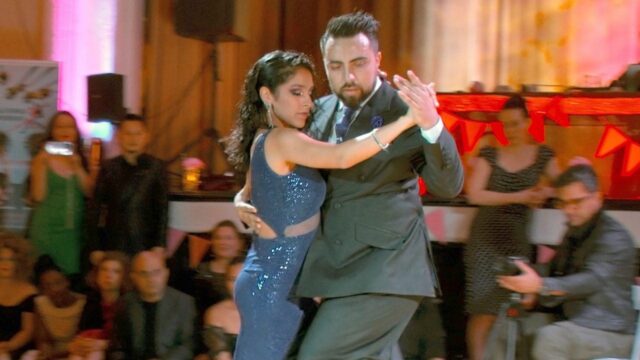
Clarisa Aragon and Jonathan Saavedra – Dichas que viví
2:32

Gaia Pisauro and Leandro Furlan – El último adiós
 2:34
Alejandra Mantinan and Aoniken Quiroga – Flor de Monserrat
3:01

Eleonora Kalganova and Murat Erdemsel – Quejas de bandoneón
2:55

Susanne Opitz and Rafael Busch – Mañana por la mañana
2:31
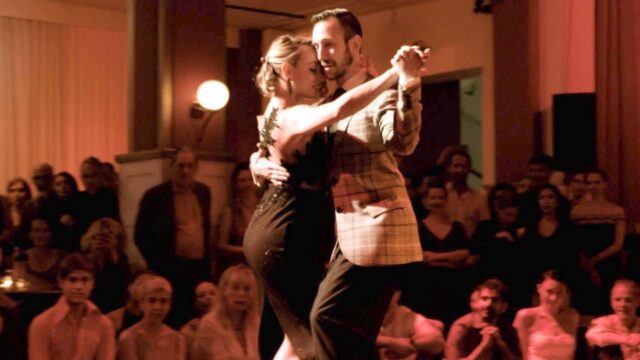
Rebekka Weckesser and German Landeira – Flor de Monserrat
2:52

Magdalena Myszka and Ezequiel Mendoza – Viejo portón
2:46

Zeynep Aktar and Sercan Yigit – Viejo portón
2:44
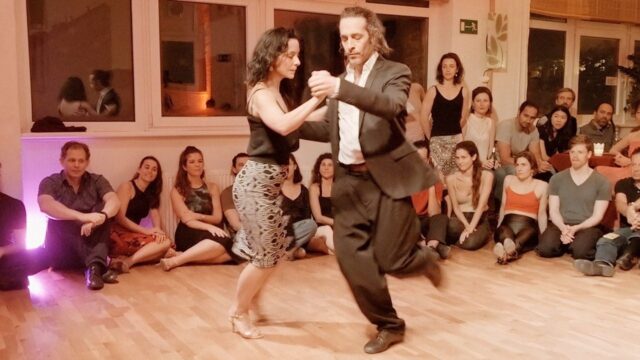
Gaia Pisauro and Leandro Furlan – El recodo
2:31
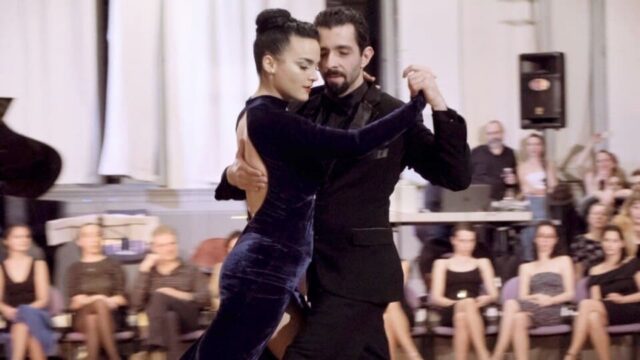
Laia Barrera and Diogo de Carvalho – La loca de amor
3:07

Mimi Hirsch and Özgür Arin – Adoración
 3:19