Orchestra
Ricardo Tanturi y su orquesta típica
Also known as: Los Indios, Orquesta Típica Ricardo Tanturi, Ricardo Tanturi Y Su Orquesta Típica
About
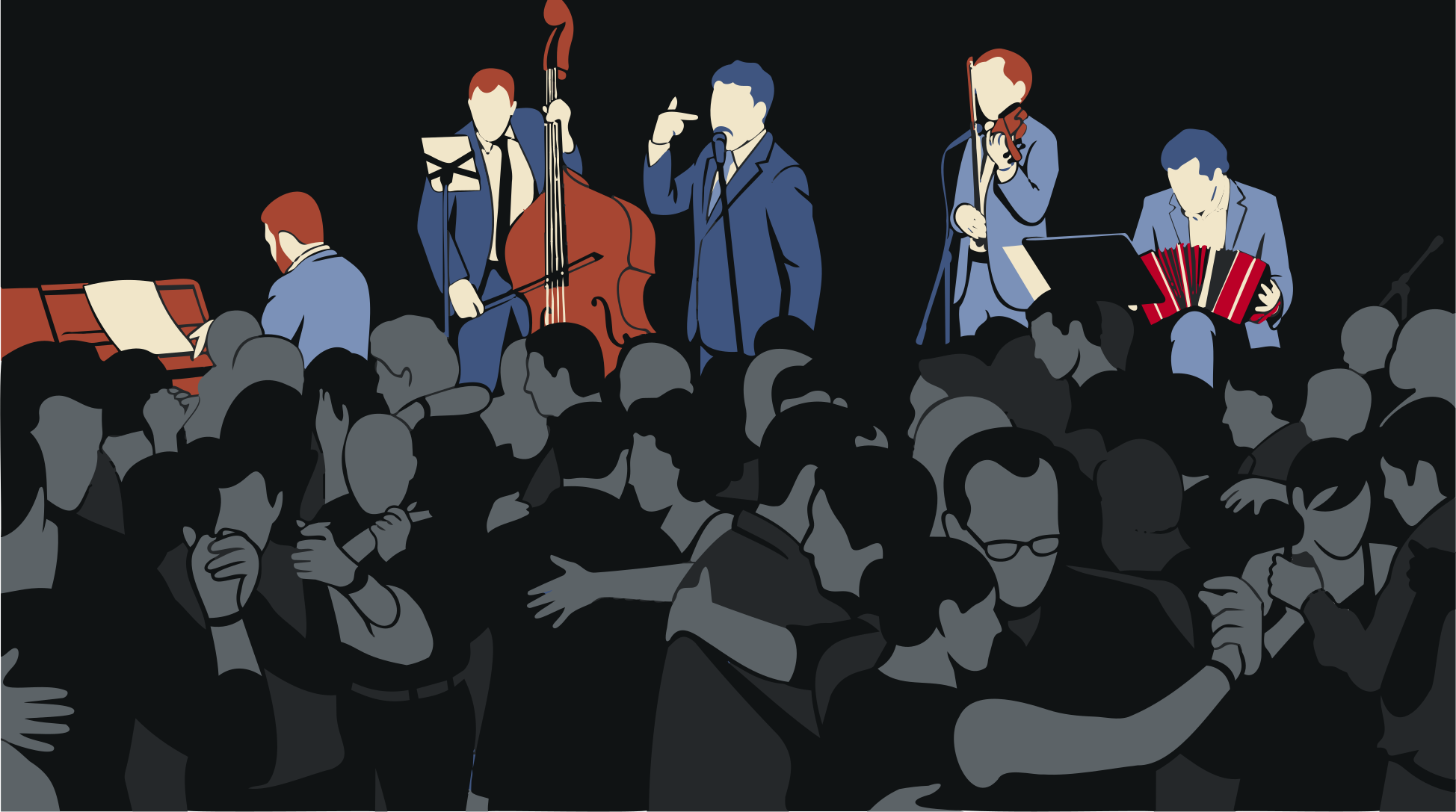
Ricardo Tanturi y su orquesta típica (1934–1966) was one of Argentina’s preeminent tango orchestras, led by pianist and composer Ricardo Tanturi (1905–1973), nicknamed “El caballero del tango.” The ensemble originated as a sextet called “Los Indios,” formed around 1931–1933 in homage to a polo team; it debuted at the Alvear Palace Hotel in Buenos Aires in 1934 before expanding to a full orchestra. Tanturi’s commercial breakthrough came in 1939 when he engaged vocalist Alberto Castillo, a collaboration that produced approximately 37 recordings (1939/1941–1943) and established the orchestra’s distinctive sound—elegant, melodic, and ideally suited for social dancing. After Castillo’s departure in 1943, tenor Enrique Campos became the principal vocalist (1943–1946), followed by Roberto Videla, Osvaldo Ribó, and others. The orchestra recorded prolifically for RCA-Victor and Odeon, accumulating around 300 recordings spanning tangos, waltzes, milongas, and marches. Tanturi composed numerous pieces, often collaborating with lyricist Enrique Cadícamo on works such as “Pocas palabras” and “Mozo guapo.” The ensemble remained active through the 1960s and remains celebrated among tango dancers for its danceable yet refined interpretations of the genre’s canon.
Sources note: Sources vary on the formation date of “Los Indios” sextet: some sources state 1931, others 1933. The tango.info resource indicates Alberto Castillo’s collaboration began in January 1941 (with recordings spanning through May 1943), whereas some sources cite the partnership as beginning in 1939; this may reflect the distinction between Castillo joining the orchestra (1939) and first recording (1941).
Members
Recordings (9)
- Ricardo Tanturi y su orquesta típica – El Moro – 1941
- Ricardo Tanturi y su orquesta típica – La vida es corta – 1941
- Ricardo Tanturi y su orquesta típica – Mozo guapo – 1941
- Ricardo Tanturi y su orquesta típica – Pocas palabras – 1941
- Ricardo Tanturi y su orquesta típica – Al compás de un tango – 1942
- Ricardo Tanturi y su orquesta típica – Barajando recuerdos – 1943
- Ricardo Tanturi y su orquesta típica – Una emoción – 1943
- Ricardo Tanturi y su orquesta típica – Discos de Gardel – 1945
- Ricardo Tanturi y su orquesta típica – Soy muchacho de arrabal – 1946
Albums (4)
Videos
 3:20
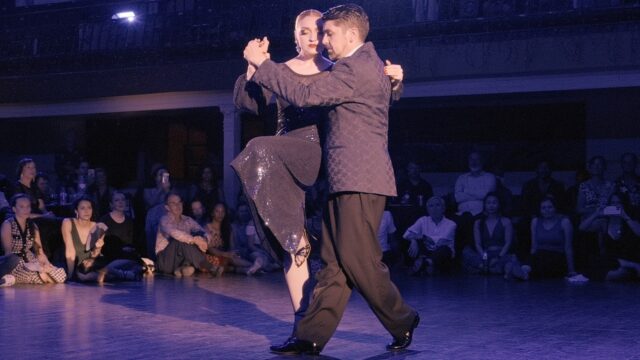
Ariadna Naveira and Fernando Sanchez – Sollozo de bandoneon
 3:24
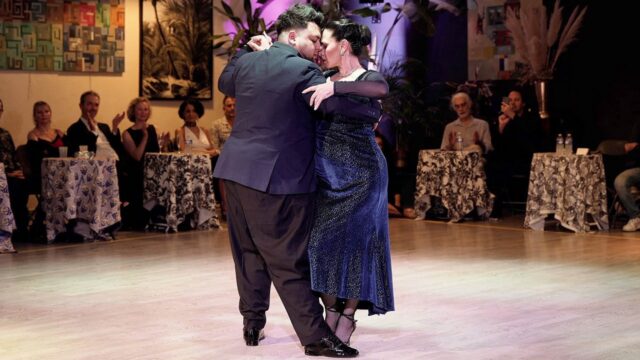
Cynthia Palacios and Sebastian Bolivar – Igual que una sombra
 2:57
Başak Evran and Juan Stefanides – Mi romance
 3:37
Paula Tejeda and Lucas Carrizo – Tu vieja ventana
 3:33
Simin Ogur and Facundo Berrios – Canción de rango
3:05
Zeynep Aktar and Sercan Yigit – La vida es corta
3:03
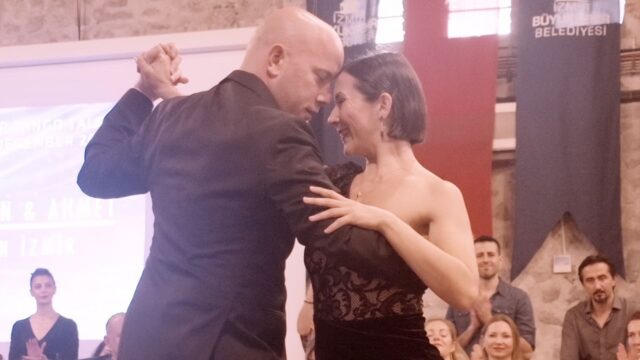
Selen Sürek and Alper Ergökmen – La vida es corta
3:00
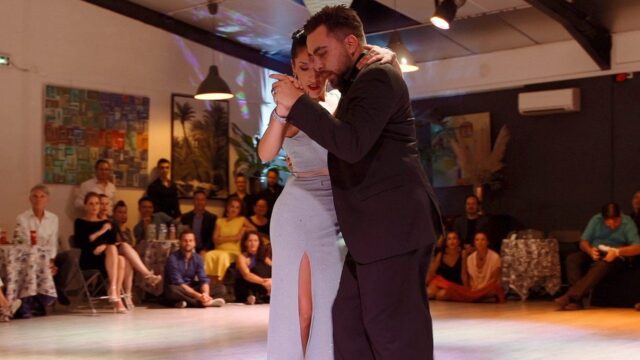
Clarisa Aragon and Jonathan Saavedra – Mozo guapo
2:59
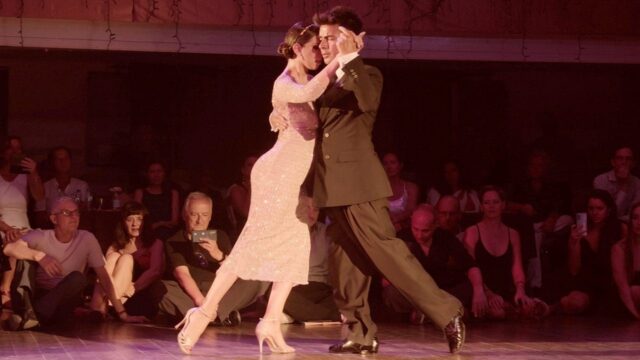
Roxana Suarez and Sebastian Achaval – Sollozo de bandoneón, Lisbon 2023
3:16
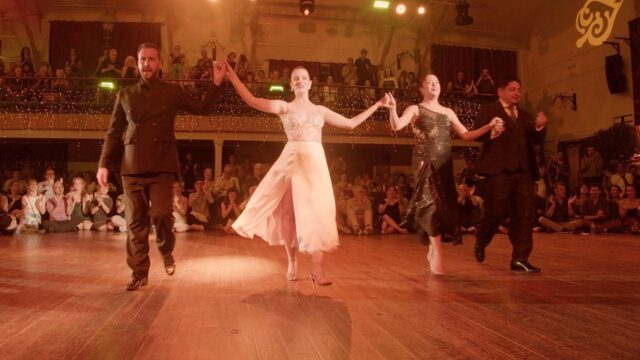
Agustina, Vanesa, Carlitos and Facundo – Comparsa criolla
2:58
Daniela Schulz and Felix Naschke – Qué vas buscando muñeca
2:34
Daniela Schulz and Felix Naschke – Así es la milonga
3:02
Mariana Montes and Fernando Galera – Recién
2:46
Magdalena Valdez and Sebastian Jimenez – Argañaraz
3:10
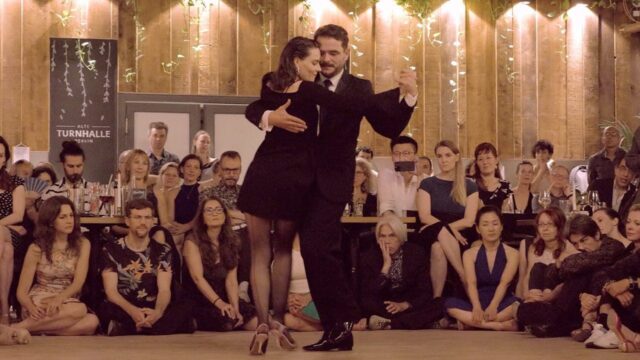
Daniela Schulz and Felix Naschke – Comparsa criolla
2:46

Antonella Terrazas and Braulio Martos – Lágrimas
2:53
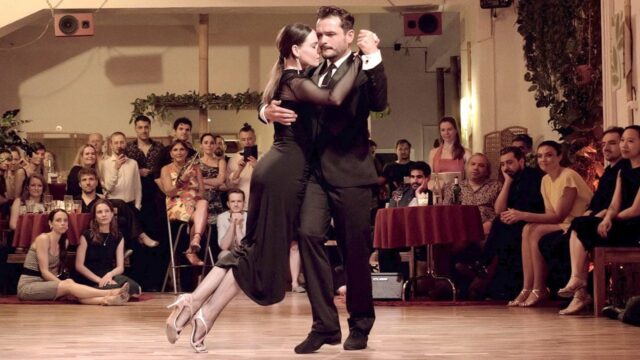
Daniela Schulz and Felix Naschke – Y siempre igual
3:23

The Maestros of Tango Pampero 2022 – Cómo se pianta la vida
3:26
Sonia Aires and Paulo Bernardo – Así se canta
2:48
Zeynep Aktar and Sercan Yigit – Una noche de garufa
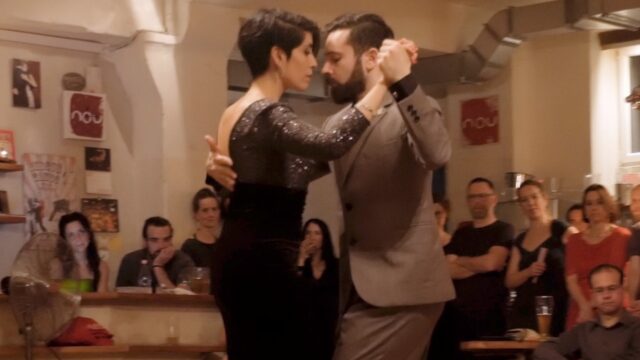 2:42
Cecilia Acosta and Levan Gomelauri – La vida es corta
2:56

Ariadna Naveira and Fernando Sanchez – Qué vas buscando muñeca
2:43
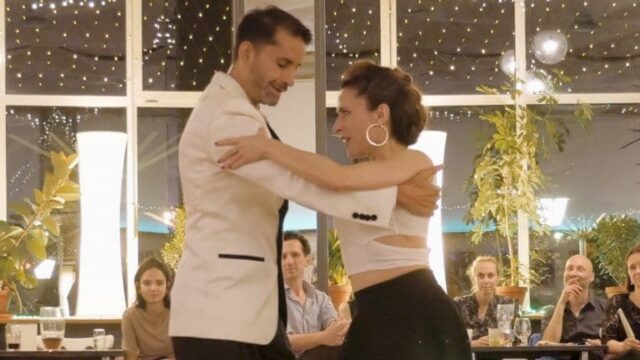
Sara Parnigoni and Emiliano Alcaraz – Recuerdo
2:43