
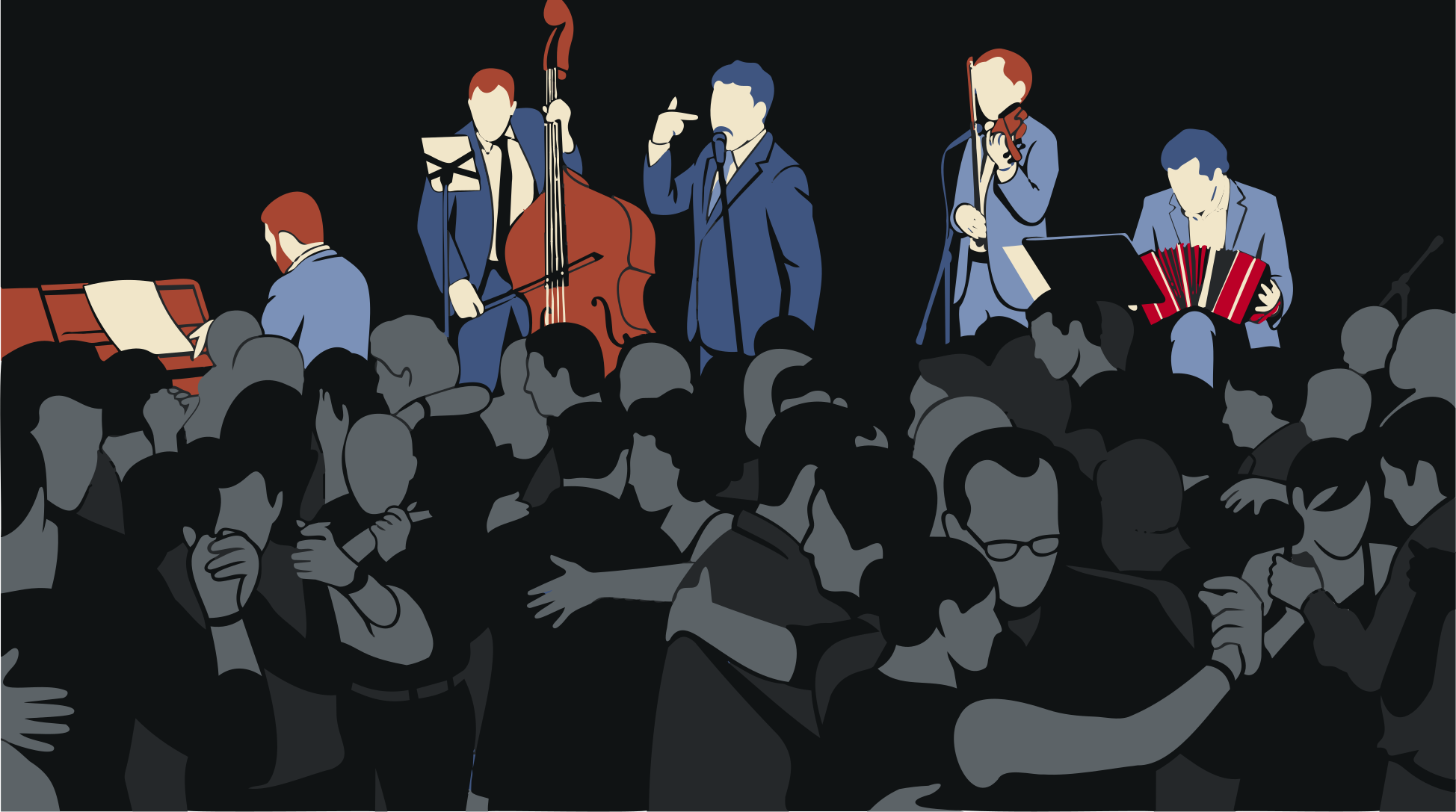
Orchestra
Orquesta Típica Julio de Caro
Also known as: Orquesta Julio De Caro, Orquesta Melódica Internacional Julio De Caro
About
The Orquesta Típica Julio de Caro was formed in late 1923 when the de Caro brothers—Julio, Francisco, and Emilio—reunited after collaborator Juan Carlos Cobián relocated to New York. Initial success at a high society New Year’s Eve ball led to lucrative contracts at popular downtown cafés and radio broadcasts, establishing the ensemble as a crucial innovator of the Guardia Nueva era (the modern orchestrated tango style). Julio de Caro’s violin-led sextet, which included bandoneonists Pedro Laurenz and Pedro Maffia, pioneered a sophisticated approach combining polyphonic arranging, embellished solo passages, and expressive rubato. The orchestra recorded extensively for Victor Records, Brunswick, Odeon, and Pathé, producing 420 recordings between 1924 and 1953. Julio de Caro introduced young talent including vocalist Edmundo Rivero, who became a consular figure in tango. The ensemble toured internationally, performing for Edward, the Prince of Wales (April 1925) and touring France in 1931, including performances at Nice’s Palais de la Méditerranée. De Caro expanded the ensemble into the Orquesta Melódica Internacional (1936) with brass and woodwinds. The orchestra retired from active recording in 1953, leaving a legacy that transformed tango’s orchestral sound and influenced generations of musicians.
Sources note: No substantive conflicts found. Wikipedia (EN), Todotango, and tango.info sources align on key dates: Julio de Caro born 1899-12-11, died 1980-03-11; orchestra formed late 1923; Prince of Wales performance April 1925; France tour 1931; retirement 1954.
Members
Recordings (7)
- Orquesta Típica Julio de Caro – Pobre Margot – 1924
- Orquesta Típica Julio de Caro – Todo corazón – 1924
- Orquesta Típica Julio de Caro – Orgullo criollo – 1928
- Orquesta Típica Julio de Caro – Gaucho Noble – 1930
- Orquesta Típica Julio de Caro – Yira… yira!!! – 1930
- Orquesta Típica Julio de Caro – Celoso por Ti – 1941
- Orquesta Típica Julio de Caro – Derecho viejo – 1953
Albums (3)
Videos
3:02
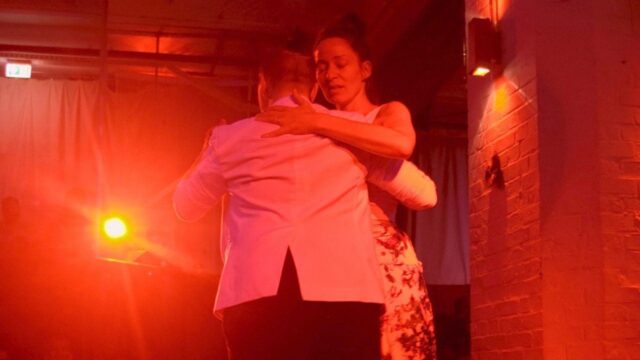
Victoria Geier and Yana Khalilova – De contrapunto
3:03
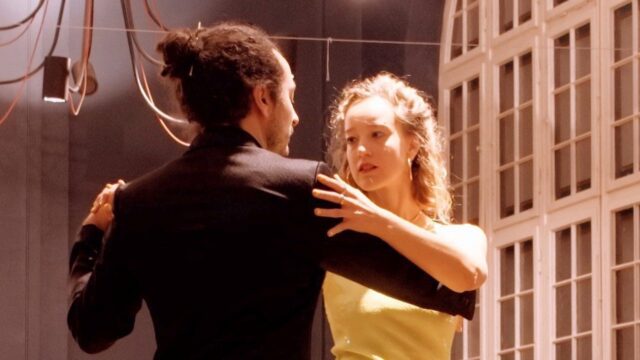
Oona Plany and Mahan Raffael – Loca bohemia
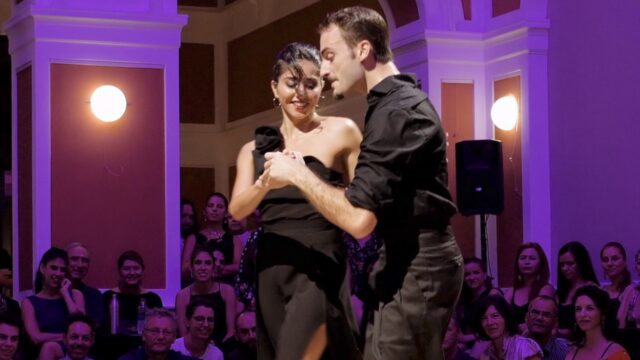 2:58
Lorena Tarantino and Gianpiero Galdi – Saca Chispas
2:58
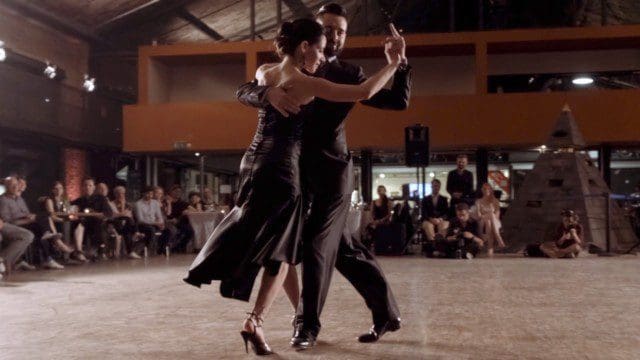
Fatima Vitale and Javier Rodriguez – Saca Chispas
2:55
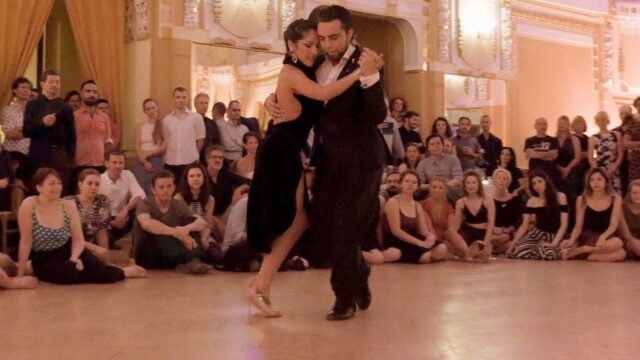
Clarisa Aragon and Jonathan Saavedra – Saca Chispas
3:47

Roxana Suárez and Sebastián Achával – Saca chispas, Łódź Tango Salon Festival 2018
2:51
Roxana Suarez and Sebastian Achaval – Saca Chispas
2:50
