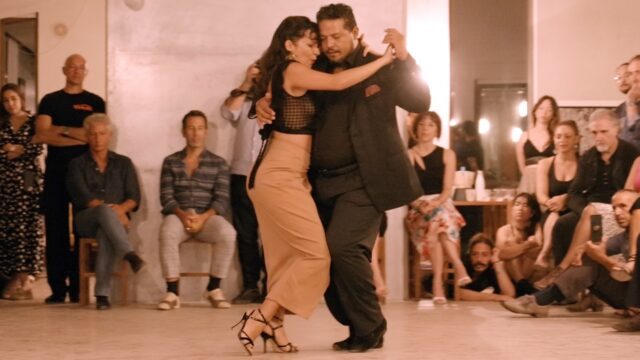
 3:07

Orchestra
Aníbal Troilo y su Orquesta Típica
Also known as: Orquesta Típica Aníbal Troilo, Cuarteto Aníbal Troilo
About
Aníbal Troilo y su Orquesta Típica was formed on July 1, 1937, by bandoneón virtuoso Aníbal Troilo (nicknamed “Pichuco”, 1914–1975) at Cabaret Marabú in Buenos Aires. The ensemble debuted with three bandoneonists (including Troilo), three violins, piano, double bass, and vocalist Francisco Fiorentino. The orchestra became one of the most influential ensembles of tango’s golden age (1940–1955), achieving particular popularity among social dancers for its sophisticated arrangements and instrumental prowess. The ensemble’s personnel evolved significantly over its four decades of activity: by the early 1940s, young Astor Piazzolla had joined as both bandoneonist and arranger, and later the orchestra expanded to include strings such as viola and cello, reflecting an increasingly concert-oriented aesthetic. Troilo’s orchestra was renowned for both lively instrumentals and collaborations with celebrated vocalists including Edmundo Rivero, Roberto Goyeneche, Elba Berón, and Nelly Vázquez. Beginning with Odeon Records in 1938, the orchestra recorded extensively for RCA-Victor (from 1941) and TK Records (from 1950); sources vary on the exact total (roughly 400-500 recordings). By the late 1950s, Troilo transitioned the orchestra toward a concert sound, later exploring chamber formats including the Cuarteto Troilo-Grela (1955–1963) and Cuarteto Troilo (1968–1969). The orchestra’s final documented performance was “Simplemente Pichuco” at Teatro Odeón in April–May 1975, shortly before Troilo’s death. Astor Piazzolla’s exact tenure with the orchestra is reported inconsistently across sources (1939–1942 vs. 1939–1944).
Members
Recordings (100)
- Aníbal Troilo – Comme il faut – 1938
- Aníbal Troilo – Tinta verde – 1938
- Aníbal Troilo – Cachirulo – 1941
- Aníbal Troilo – Cautivo – 1941
- Aníbal Troilo – Con toda la voz que tengo – 1941
- Aníbal Troilo – Cordón de oro – 1941
- Aníbal Troilo – Del tiempo guapo – 1941
- Aníbal Troilo – El bulín de la calle Ayacucho – 1941
- Aníbal Troilo – El cuarteador – 1941
- Aníbal Troilo – El tamango – 1941
- Aníbal Troilo – En esta tarde gris – 1941
- Aníbal Troilo – Guapeando – 1941
- Aníbal Troilo – Mano brava – 1941
- Aníbal Troilo – Maragata – 1941
- Aníbal Troilo – Milongueando en el cuarenta – 1941
- Aníbal Troilo – No le digas que la quiero – 1941
- Aníbal Troilo – No le digas que la quiero (reissue) – 1941
- Aníbal Troilo – Pájaro ciego – 1941
- Aníbal Troilo – Sencillo y compadre – 1941
- Aníbal Troilo – Tabernero – 1941
- Aníbal Troilo – Te aconsejo que me olvides – 1941
- Aníbal Troilo – Tinta roja – 1941
- Aníbal Troilo – Toda mi vida – 1941
- Aníbal Troilo – Total pa’ qué sirvo – 1941
- Aníbal Troilo – Tu diagnóstico – 1941
- Aníbal Troilo – Una carta – 1941
- Aníbal Troilo – Yo soy el tango – 1941
- Aníbal Troilo – Acordándome de vos – 1942
- Aníbal Troilo – Barrio de tango – 1942
- Aníbal Troilo – Buenos Aires – 1942
- Aníbal Troilo – C.T.V. – 1942
- Aníbal Troilo – Colorao, colorao – 1942
- Aníbal Troilo – De pura cepa – 1942
- Aníbal Troilo – El chupete – 1942
- Aníbal Troilo – El encopao – 1942
- Aníbal Troilo – Ficha de oro – 1942
- Aníbal Troilo – Fueye – 1942
- Aníbal Troilo – Gricel – 1942
- Aníbal Troilo – La maleva – 1942
- Aníbal Troilo – La tablada – 1942
- Aníbal Troilo – Lejos de Buenos Aires – 1942
- Aníbal Troilo – Los mareados – 1942
- Aníbal Troilo – Malena – 1942
- Aníbal Troilo – Mi castigo – 1942
- Aníbal Troilo – No te apures, cara blanca – 1942
- Aníbal Troilo – Pa’ que bailen los muchachos – 1942
- Aníbal Troilo – Pa’ qué seguir – 1942
- Aníbal Troilo – Papá Baltasar – 1942
- Aníbal Troilo – Pedacito de cielo – 1942
- Aníbal Troilo – Por las calles de la vida – 1942
- Aníbal Troilo – Soy muchacho de la guardia – 1942
- Aníbal Troilo – Suerte loca – 1942
- Aníbal Troilo – Tristezas de la calle Corrientes – 1942
- Aníbal Troilo – Un placer – 1942
- Aníbal Troilo – A Bailar – 1943
- Aníbal Troilo – Cada día te extraño más – 1943
- Aníbal Troilo – Cada vez que me recuerdes – 1943
- Aníbal Troilo – Cantando se van las penas – 1943
- Aníbal Troilo – Corazón, no le hagas caso – 1943
- Aníbal Troilo – Cuando tallan los recuerdos – 1943
- Aníbal Troilo – De barro – 1943
- Aníbal Troilo – El barrio del tambor – 1943
- Aníbal Troilo – El distinguido ciudadano – 1943
- Aníbal Troilo – Farol – 1943
- Aníbal Troilo – Farolito de papel – 1943
- Aníbal Troilo – Garua – 1943
- Aníbal Troilo – Gime el viento – 1943
- Aníbal Troilo – Inspiración – 1943
- Aníbal Troilo – La cumparsita – 1943
- Aníbal Troilo – La luz de un fósforo – 1943
- Aníbal Troilo – Margarita Gauthier – 1943
- Aníbal Troilo – Orquestas de mi ciudad – 1943
- Aníbal Troilo – Pablo – 1943
- Aníbal Troilo – Percal – 1943
- Aníbal Troilo – Ropa blanca – 1943
- Aníbal Troilo – Soñar y nada más – 1943
- Aníbal Troilo – Sosiego en la noche – 1943
- Aníbal Troilo – Soy del 90 (Soy del noventa) – 1943
- Aníbal Troilo – Soy un porteño – 1943
- Aníbal Troilo – Tal vez será su voz – 1943
- Aníbal Troilo – Tango y copas – 1943
- Aníbal Troilo – Uno – 1943
- Aníbal Troilo – Uruguaya – 1943
- Aníbal Troilo – Valsecito amigo – 1943
- Aníbal Troilo – Alhucema – 1944
- Aníbal Troilo – Bien porteño – 1944
- Aníbal Troilo – Café de los Angelitos – 1944
- Aníbal Troilo – Chiqué (El elegante) – 1944
- Aníbal Troilo – Con permiso – 1944
- Aníbal Troilo – Copas, amigas y besos – 1944
- Aníbal Troilo – Cristal – 1944
- Aníbal Troilo – Después – 1944
- Aníbal Troilo – El desafío – 1944
- Aníbal Troilo – El Entrerriano – 1944
- Aníbal Troilo – La vi llegar – 1944
- Aníbal Troilo – Luna llena – 1944
- Aníbal Troilo – Marioneta – 1944
- Aníbal Troilo – Me están sobrando las penas – 1944
- Aníbal Troilo – Milonga en rojo – 1944
- Aníbal Troilo – Nada más que un corazón – 1944
Videos
3:07
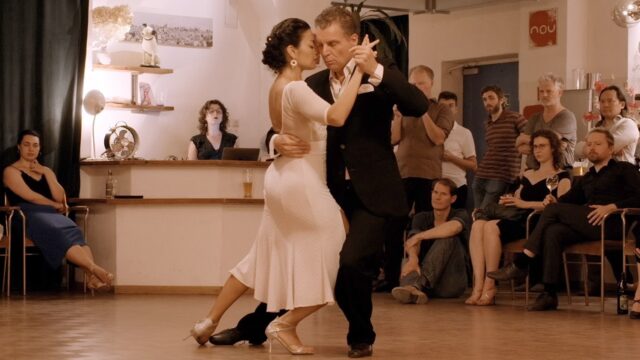 4:02
Başak Evran and Juan Stefanides – Barrio pobre
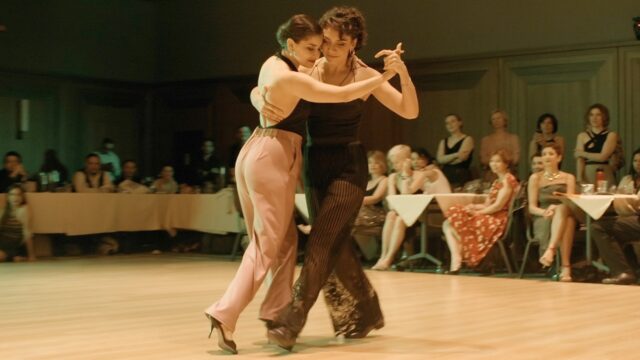 3:17
Sol Cerquides and Rocío Lequio – Milongueando en el 40
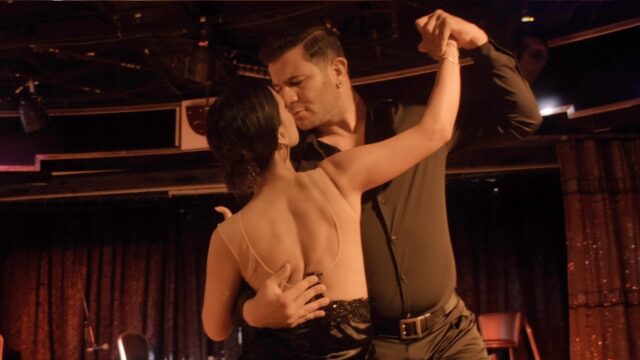 3:43
Aze Sila Arslantas and Volkan Sahinoglu – Quién lo habría de pensar
 3:43
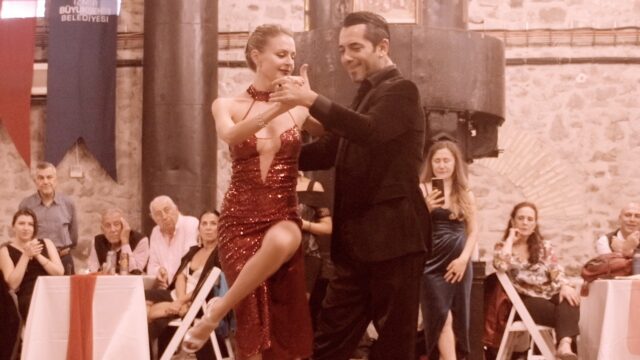
Anna Rubinchik and Selahattin Temurcin – Te aconsejo que me olvides
3:44
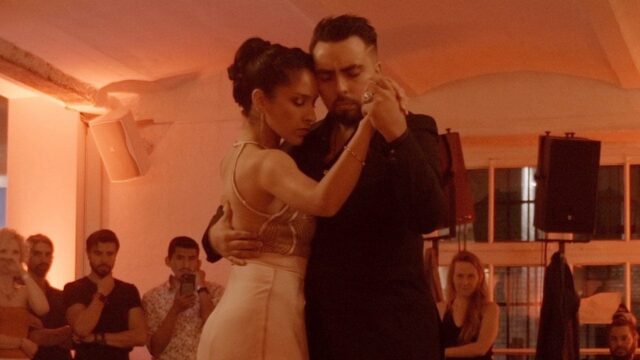
Clarisa Aragon and Jonathan Saavedra – Cotorrita de la suerte
 2:57
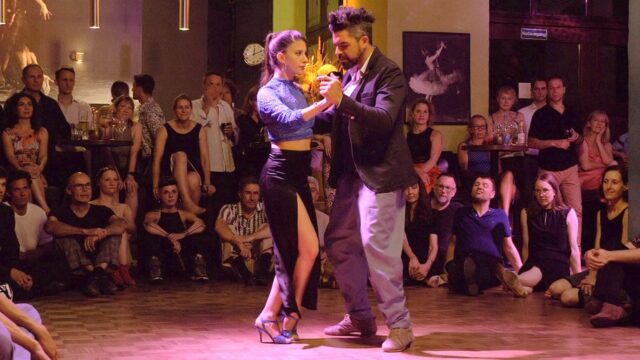
Carolina Giannini and Rodrigo Fonti – Ivette
3:43
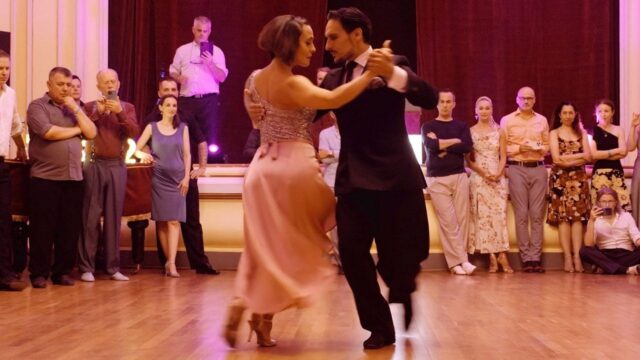
Selena Riso and Lucian Stan – Torrente
2:55
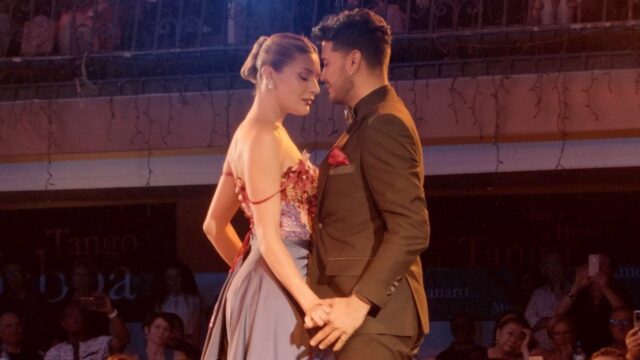
Paula Tejeda and Lucas Carrizo – Tu diagnóstico
2:59
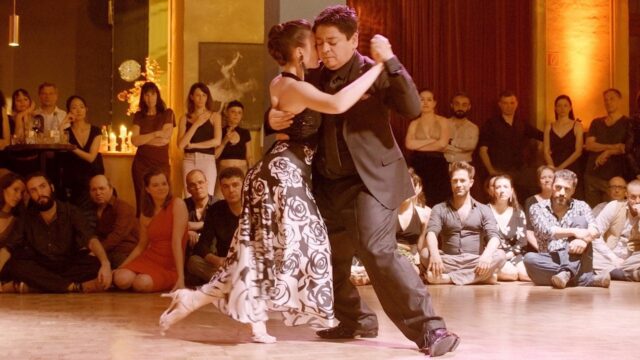
Agustina Piaggio and Carlitos Espinoza – La maleva
2:54
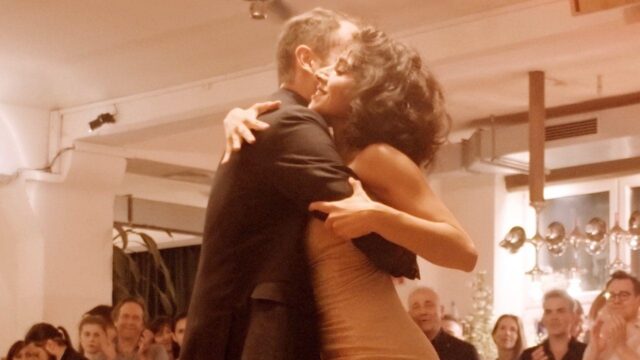
Lorena Tarantino and Gianpiero Galdi – Romance de barrio
3:11
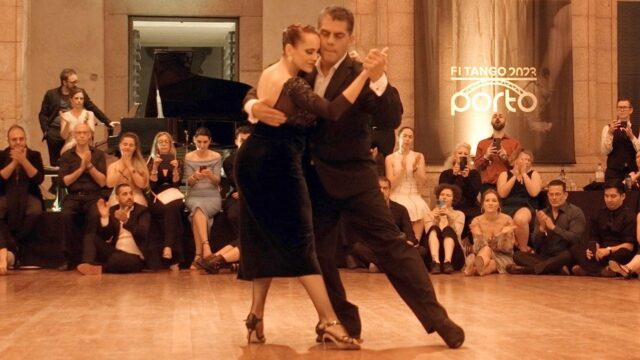
Sabrina and Ruben Veliz – Guapeando
2:47
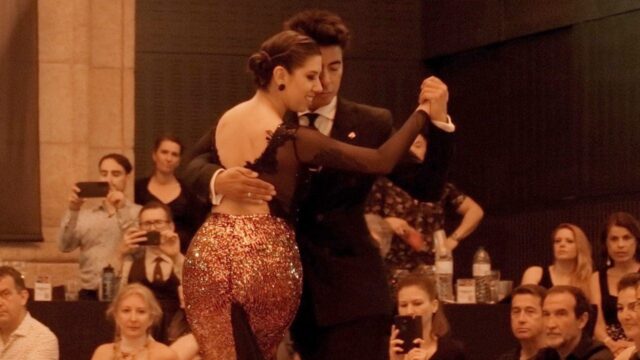
Roxana Suarez and Sebastian Achaval – Valsecito amigo
3:46
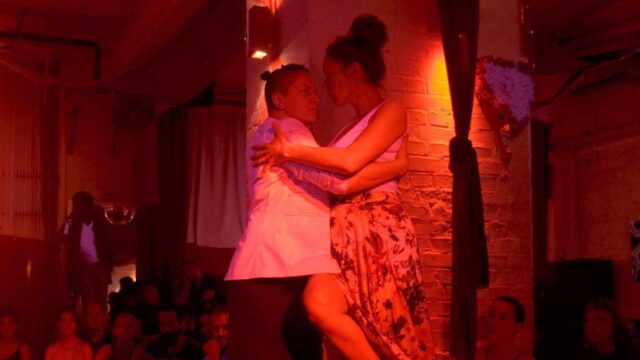
Victoria Geier and Yana Khalilova – Mi Tango Triste
3:05
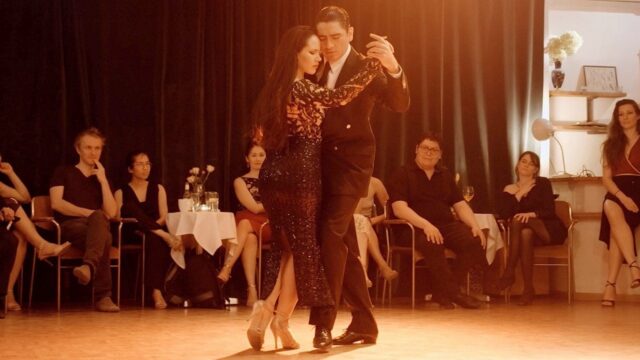
Aldana Silveyra and Diego Ortega – Farol
3:15
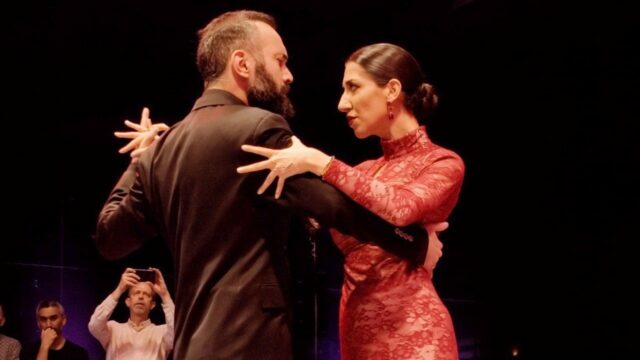
Zeynep Aktar and Sercan Yigit – Por qué la quise tanto
3:32
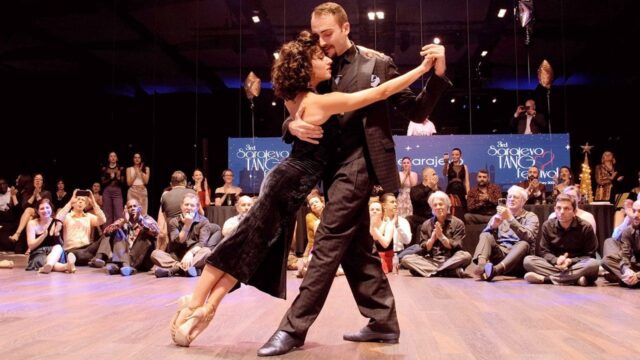
Lorena Tarantino and Gianpiero Galdi – A unos ojos, Sarajevo 2023
3:32
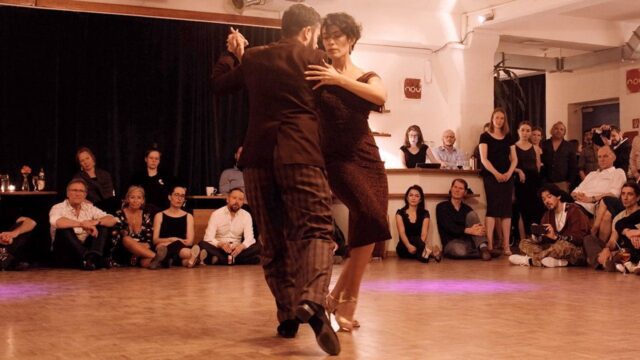
Cecilia Acosta and Levan Gomelauri – Un tango para el recuerdo
3:11
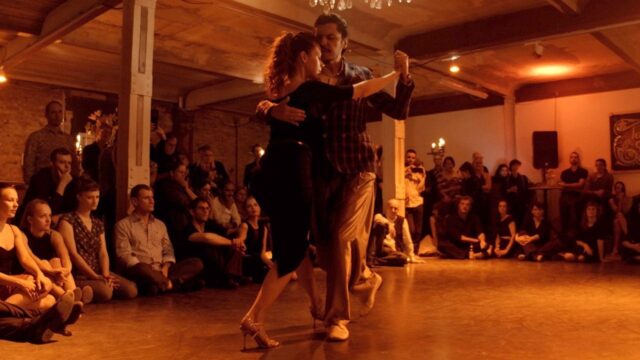
Mimi Hirsch and Özgür Arin – El motivo
3:11
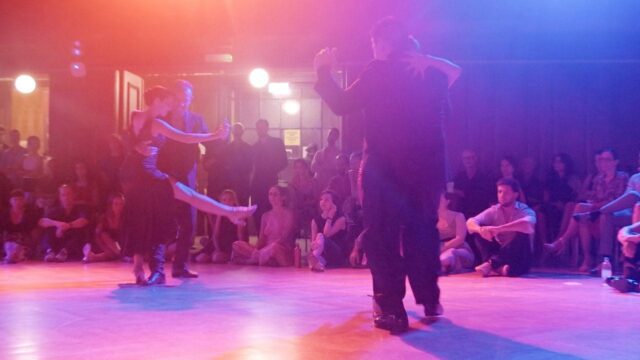
Antonella, Agustina, Braulio and Carlitos – Guapeando
3:40

Agustina Piaggio and Carlitos Espinoza – Inspiración
3:21
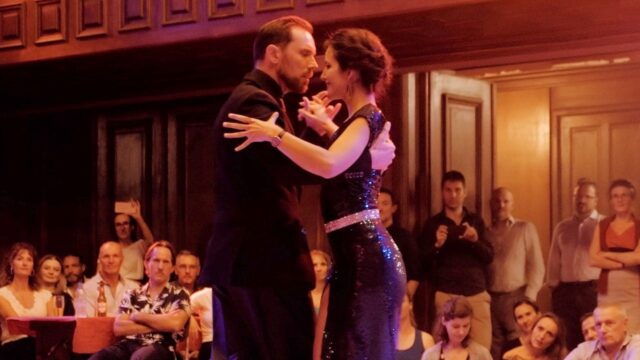
Camila Ameglio and René-Marie Meignan – Tinta roja
3:29
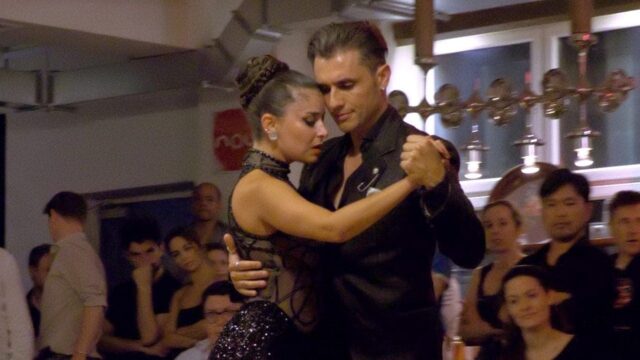
Sol Cerquides and Andres Sautel – Fuimos
3:34
