
Musician
Juan D’Arienzo
Also known as: El rey del compás
Biography
Juan D’Arienzo (December 14, 1900 – January 14, 1976) was an Argentine violinist, bandleader, composer, and conductor, widely regarded as one of the most influential figures in 20th-century tango music. Born in the Monserrat neighborhood of Buenos Aires to Italian immigrant parents, D’Arienzo earned the nickname “El Rey del Compás” (The King of the Beat) for his distinctive rhythmic precision and revolutionary approach to orchestral tango. After early performances in theater orchestras, he formed his own ensemble in 1928 and began recording in 1935, launching what musicologists term “The D’Arienzo Revolution”—a return to the faster, energetic 2×4 rhythm of the Guardia Vieja combined with modern arrangements and instrumentation. His first recording, “Desde el Alma,” became a commercial success and established his signature sound. With pianist Rodolfo Biagi joining in 1935, D’Arienzo’s orchestra evolved into one of the “Big Four” of Argentine tango, alongside those of Aníbal Troilo, Osvaldo Pugliese, and Carlos Di Sarli. As an exclusive RCA Victor artist for forty years, he recorded more than 1,000 tangos, milongas, and valses, composing 46 tango pieces and writing lyrics for 3 others. He collaborated with prominent singers including Francisco Fiorentino, Alberto Echagüe, Libertad Lamarque, Armando Laborde, and Jorge Valdéz. His orchestration emphasized rhythm and precision—using 3–5 bandoneons, 3–4 violins, piano, and double bass—making his arrangements ideal for social dancing. D’Arienzo’s recordings remained popular throughout his life and continue to define the sound of authentic Argentine tango in milongas worldwide. He was buried in La Chacarita Cemetery, Buenos Aires.
Sources note: No material conflicts found. Sources consistently report birth date December 14, 1900 and death date January 14, 1976. Multiple sources cite either 46 compositions or “over 1,000 total recordings”—these refer to different totals (compositions vs. recordings), not conflicting facts. “La Cumparsita” was recorded seven times across four decades (sources vary slightly on exact recording dates: 1928–1971 with documented versions in 1937, 1943, 1951, 1963, 1971).
- Life
- 1900 – 1976
Orchestras
Recordings
Albums (3)
Albums this musician played on or is credited on.
Videos
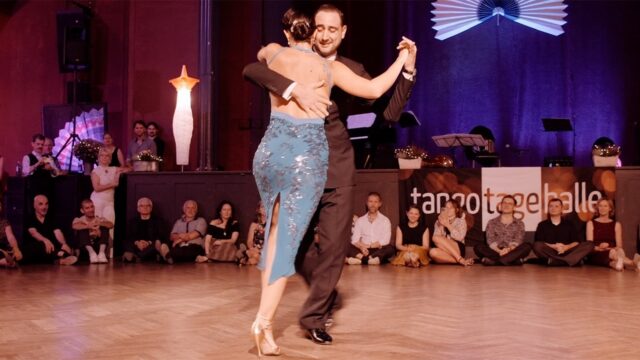 2:57
Stephanie Fesneau and Fausto Carpino – La serenata de ayer
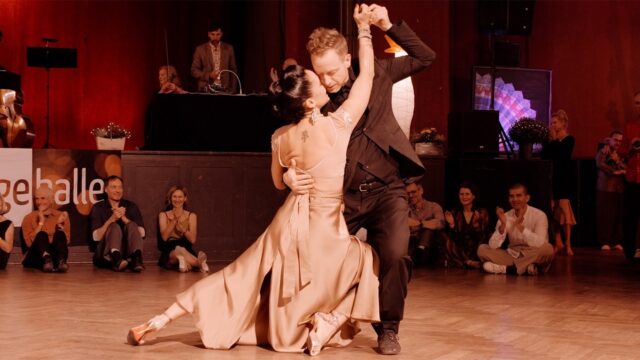 3:24
Sayaka Higuchi and Joscha Engel – Ansiedad
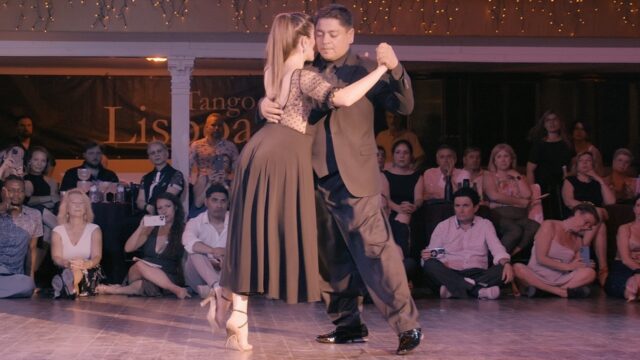 3:18
Agustina Piaggio and Carlitos Espinoza – A suerte y verdad
2:58
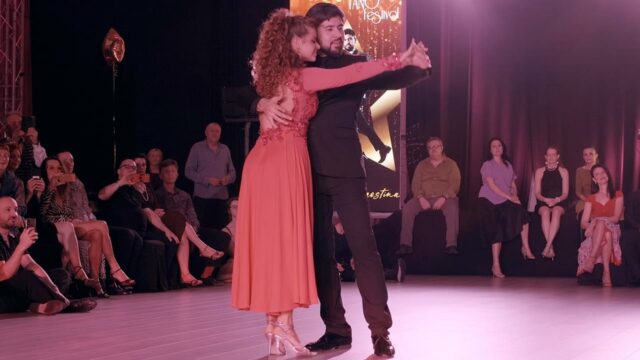
Agostina Tarchini and Sebastian Jimenez – El huracán
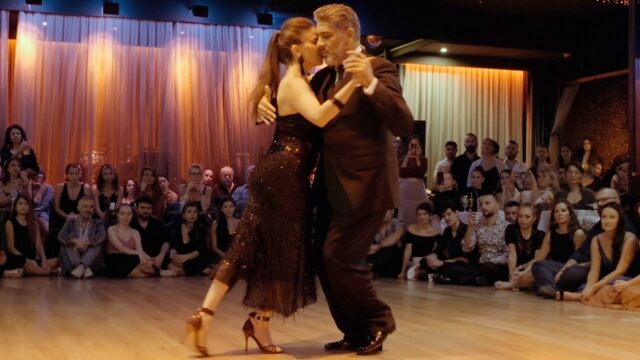 3:14
Eladia Cordoba and Andres Laza Moreno – No mientas
3:07
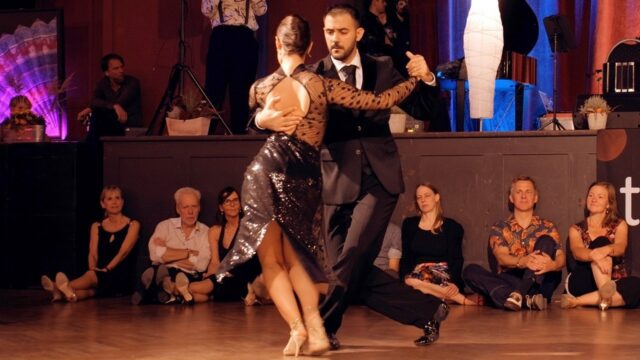
Dulce Lauria and Adrian Ferreyra – El corazón me engañó
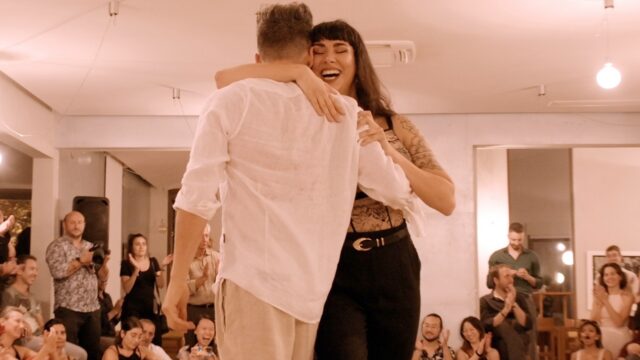 3:41
Majo Martirena and Rodrigo Fonti – Tierrita
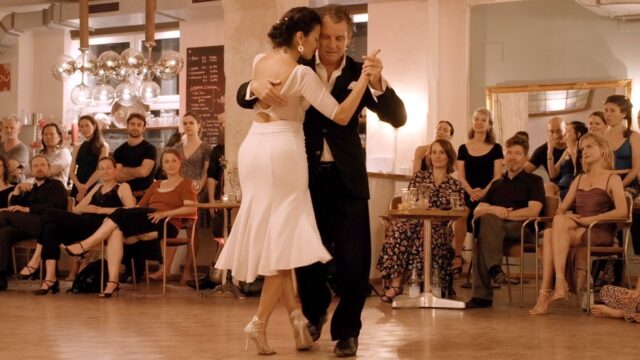 3:36
Başak Evran and Juan Stefanides – El tigre Millán
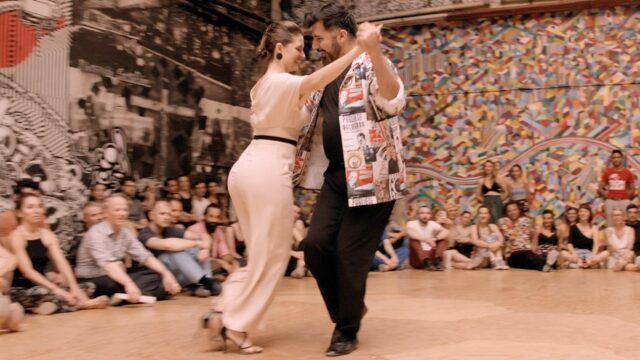 3:08
Natacha Lockwood and Andres Molina – La bicoca
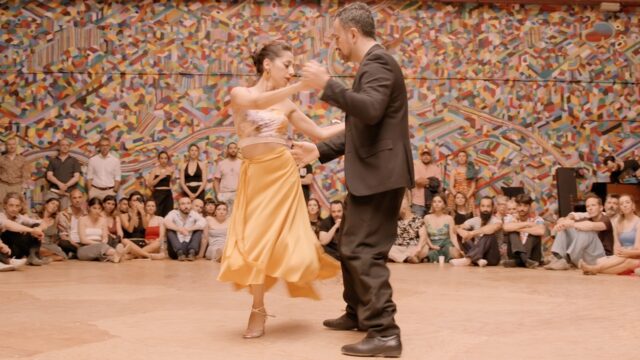 2:52
Francesca Sutera and Giovanni Eredia – La serenata de ayer
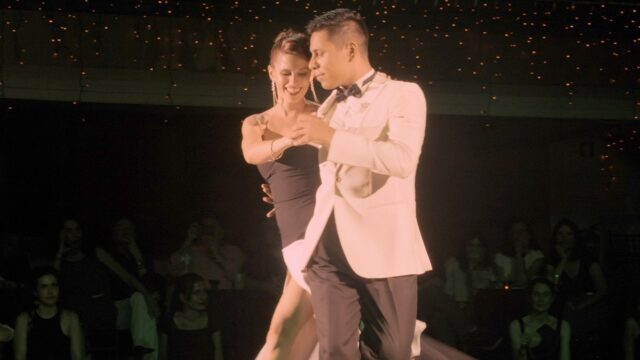 3:33
Victoria Olivella and Agustin Rojas – El olivo
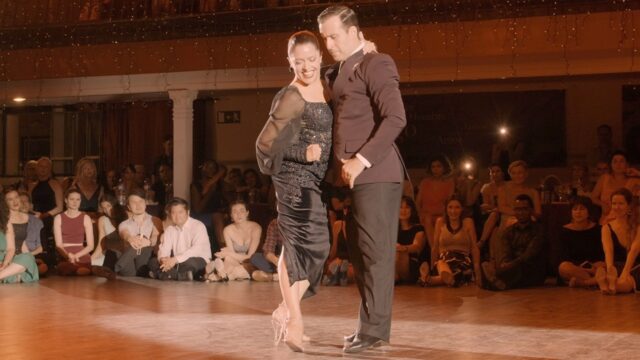 3:31
Vanesa Villalba and Facundo Pinero – En tu corazón
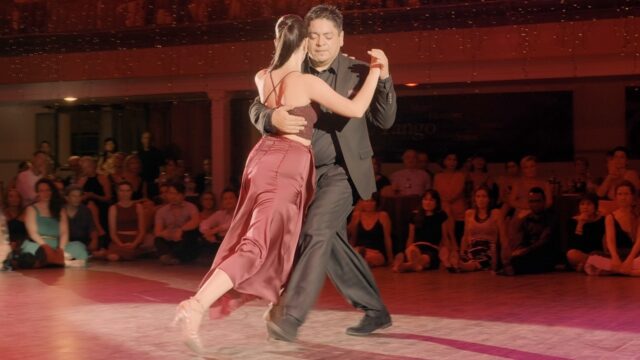 3:42
Agustina Piaggio and Carlitos Espinoza – El flete
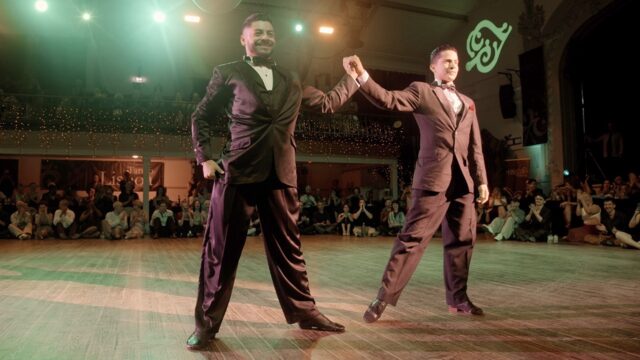 2:54
Cristian Cerezo and Valentin Arias – Recuerdos de la pampa
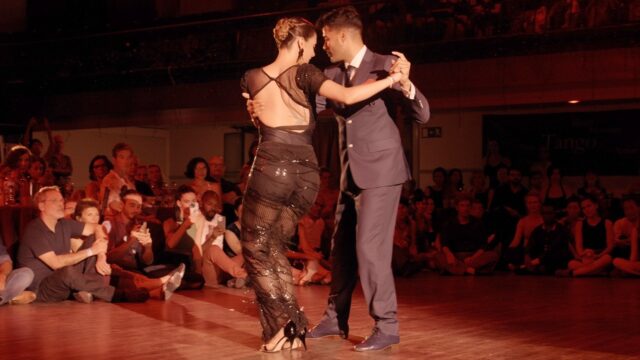 3:05
Paula Tejeda and Lucas Carrizo – Yo también
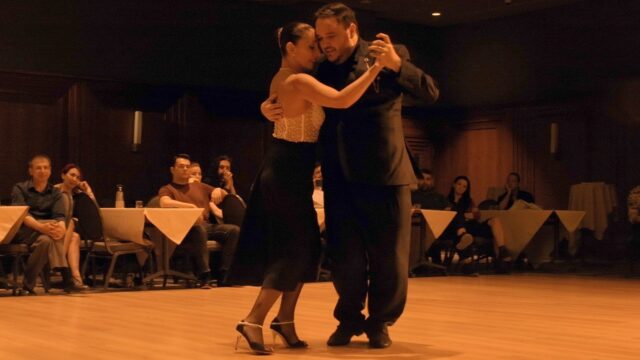 3:01
Simin Ogur and Facundo Berrios – Oro de ley
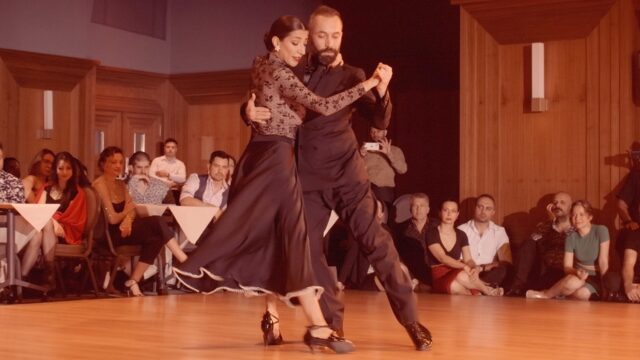 3:09
Zeynep Aktar and Sercan Yigit – La cicatriz
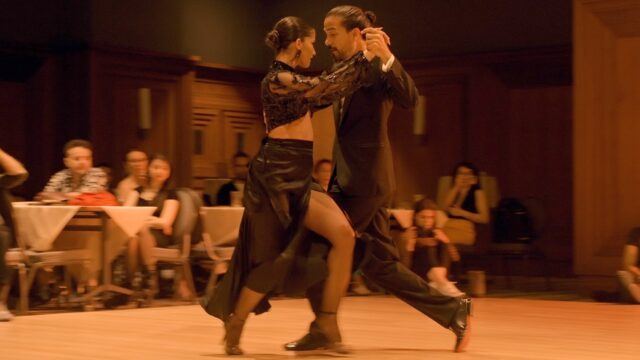 3:05
Indira Hiayes and Rodrigo Palacios – Inolvidable
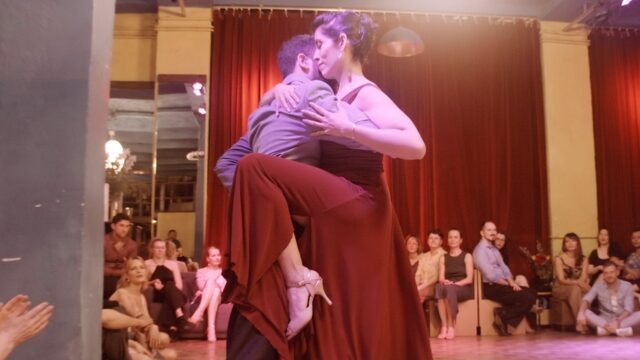 3:19
Cecilia Acosta and Levan Gomelauri – Dime mi amor
 3:08
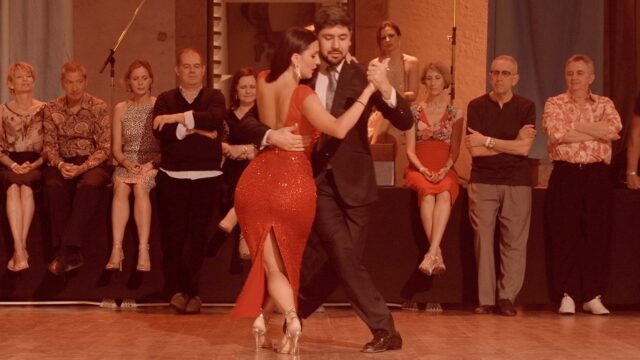
Magdalena Valdez and Sebastian Jimenez – La cicatriz
 3:50
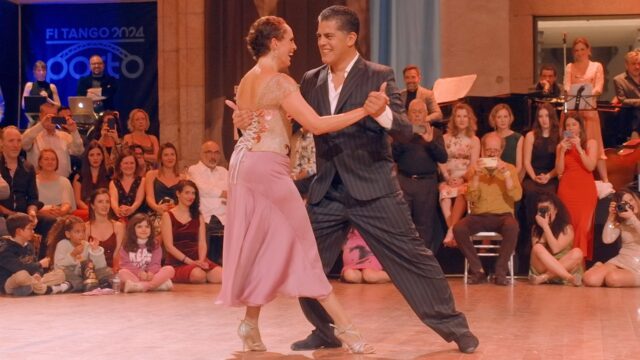
Sabrina and Ruben Veliz – Mi dolor
 3:04
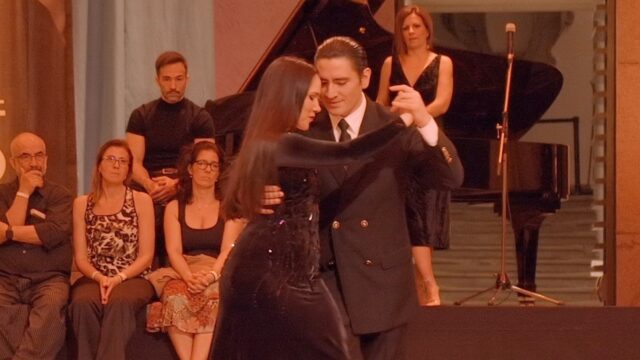
Aldana Silveyra and Diego Ortega – Inolvidable, Porto 2024
 2:53
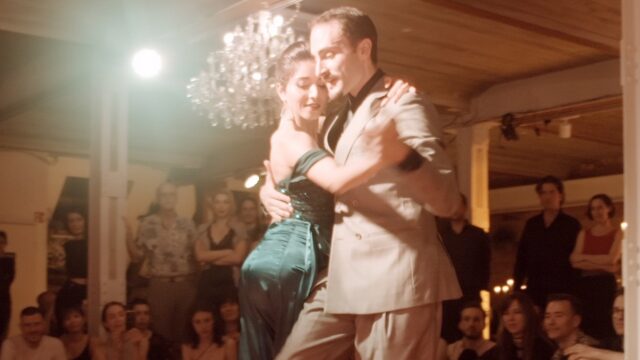
Lorena Tarantino and Gianpiero Galdi – Estampa de varón
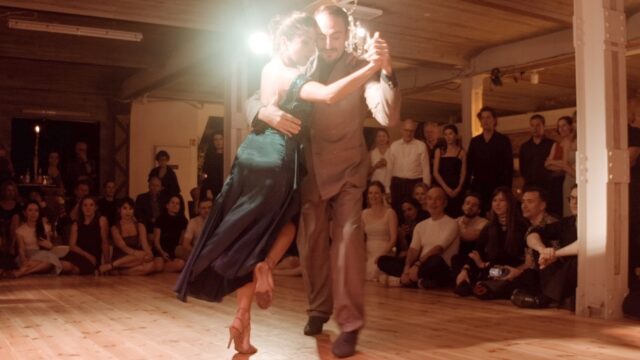 3:41